
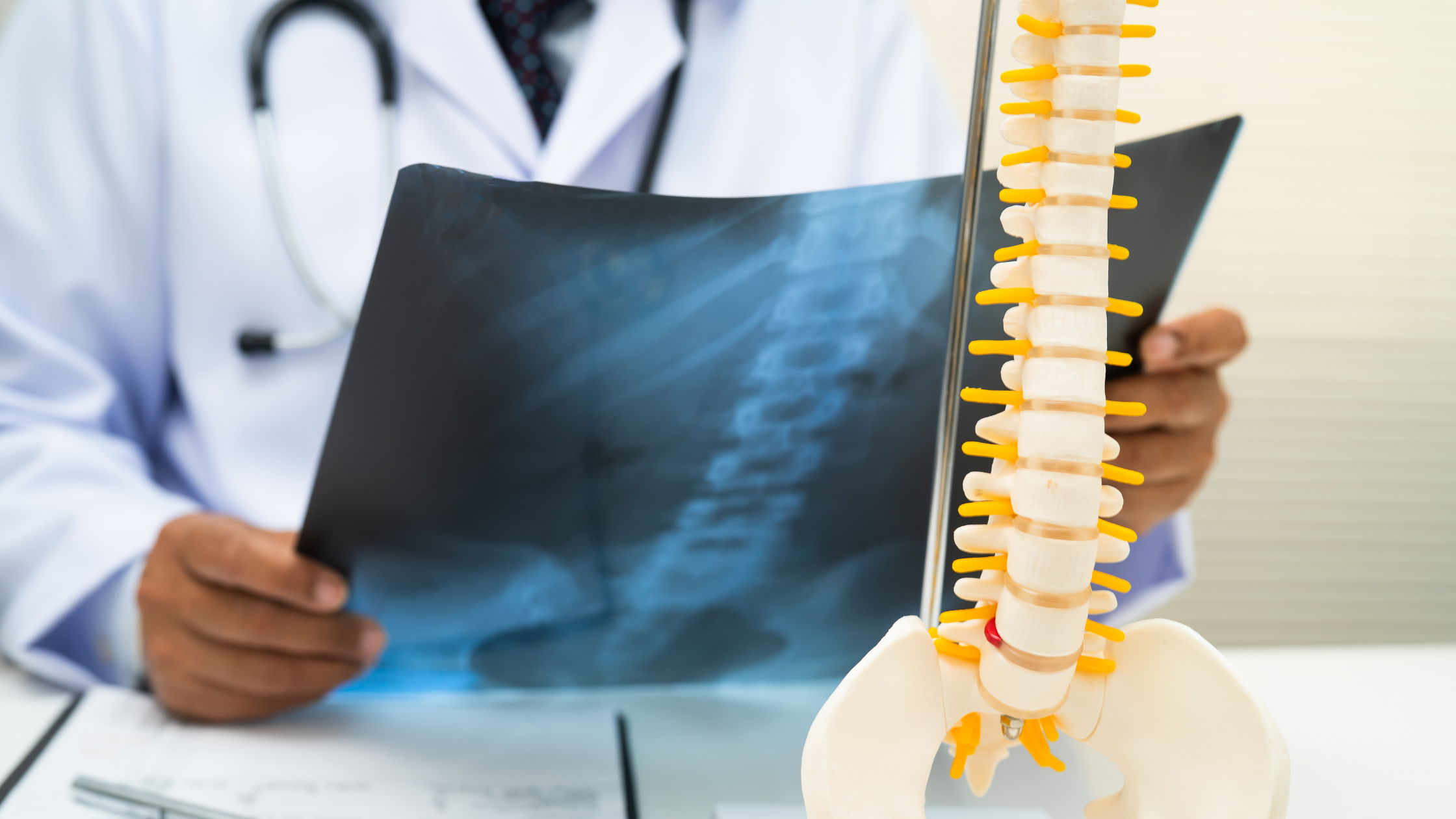
The health of your spine is deeply influenced by your daily habits. While genetics and age play a role in spinal degeneration, lifestyle choices often determine how quickly or slowly issues like back pain, disc degeneration, and posture-related problems develop. Over time, small decisions—how you sit, move, sleep, eat, and manage stress—can either protect your spine or gradually contribute to chronic pain and mobility issues.
Understanding these connections is key to preventing long-term spine problems and maintaining an active, pain-free life.
1. Posture: The Silent Contributor to Spinal Stress
Poor posture is one of the most common causes of long-term spinal strain. Slouching while sitting, leaning forward over devices, or standing unevenly places excess pressure on the spinal discs and surrounding muscles.
This can lead to:
- Chronic neck and back pain
- Disc compression and degeneration
- Muscle imbalance and fatigue
Good posture helps distribute weight evenly across the spine, reducing unnecessary wear and tear.
2. Physical Activity and Sedentary Lifestyle
Movement is essential for spinal health. A sedentary lifestyle weakens the muscles that support the spine, particularly the core, back extensors, and glutes.
Regular physical activity helps:
- Improve spinal flexibility and strength
- Increase blood flow to spinal structures
- Reduce stiffness and inflammation
Low-impact exercises like walking, swimming, yoga, and pilates are especially beneficial for long-term spinal support.
3. Excess Weight and Spinal Load
Carrying excess body weight places additional stress on the spine, particularly the lumbar region. Over time, this can accelerate disc wear and contribute to conditions such as herniated discs and spinal stenosis.
Even modest weight loss can significantly reduce pressure on the spine and improve mobility and pain levels.
4. Smoking and Reduced Spinal Healing
Smoking restricts blood flow, reducing oxygen and nutrient delivery to spinal discs. This accelerates degeneration and increases the risk of chronic back pain.
- Faster disc breakdown
- Increased risk of chronic pain
- Poor healing after injury
5. Nutrition and Bone Health
A healthy diet supports spinal bones and connective tissues. Nutrients like calcium, vitamin D, magnesium, and protein are essential for maintaining strength and structure.
Poor nutrition can weaken vertebrae and increase the risk of fractures and long-term pain.
6. Sleep Habits and Spinal Alignment
Sleep is critical for spinal recovery, but poor posture or an unsupportive mattress can contribute to misalignment and stiffness.
- Use a supportive mattress
- Maintain neutral spine positions while sleeping
- Avoid overly soft or sagging surfaces
7. Stress and Muscle Tension
Chronic stress often leads to muscle tension in the neck, shoulders, and back. Over time, this can alter posture and increase spinal strain.
Stress management techniques like breathing exercises, mindfulness, stretching, and regular movement can reduce tension.
8. Technology Use and “Tech Neck”
Prolonged device use contributes to forward head posture, increasing pressure on the cervical spine and leading to discomfort and alignment issues.
- Neck pain and stiffness
- Headaches
- Postural imbalances
Adjusting screen height and taking frequent breaks can help prevent this condition.
Conclusion
Spine health is shaped by daily lifestyle choices over time. Poor posture, inactivity, excess weight, smoking, stress, and poor sleep habits can gradually damage spinal structures, while healthier habits help preserve mobility and function.
Small changes today—such as improving posture or staying active—can make a significant difference in long-term spinal health.