
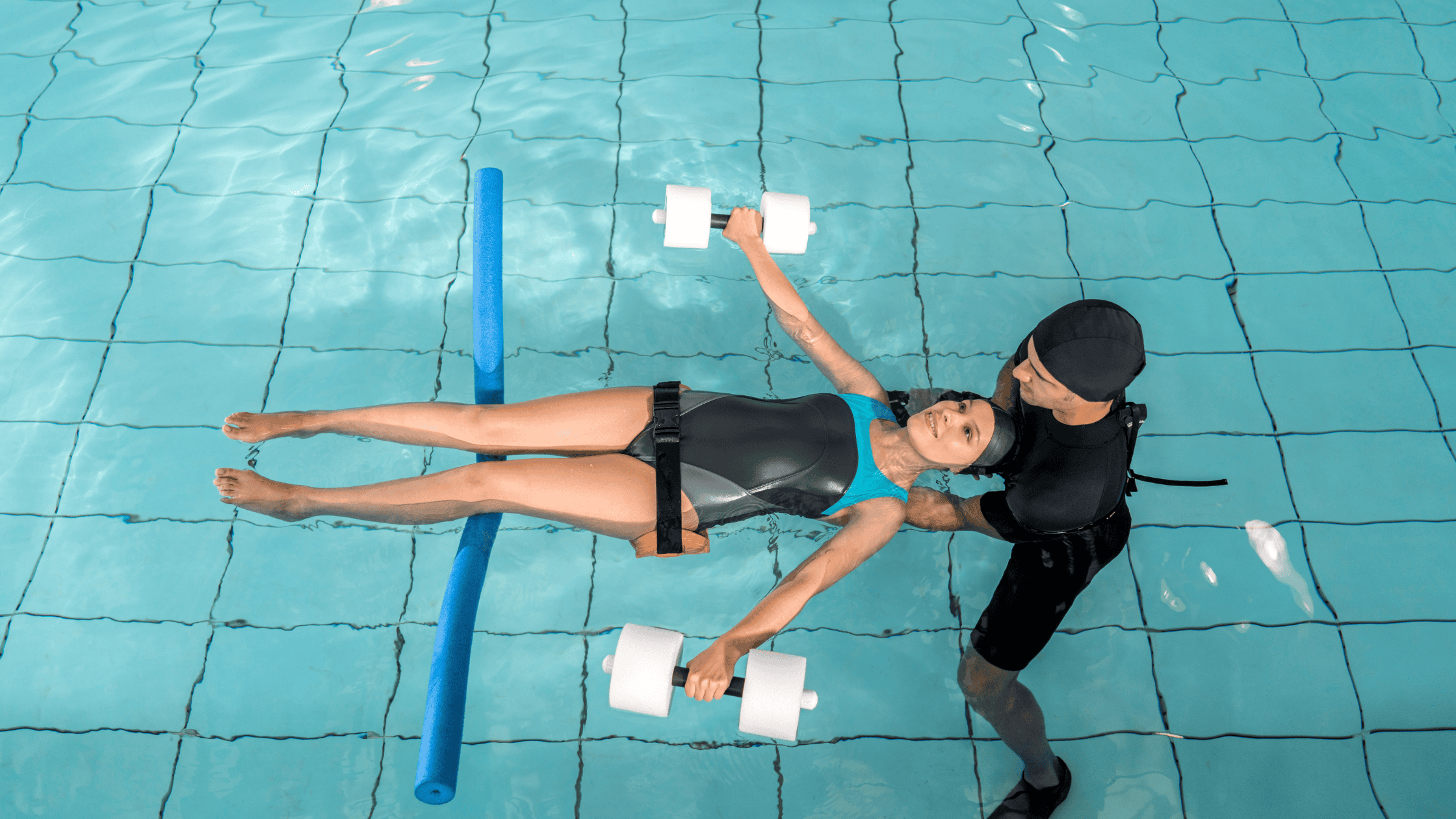
Back pain and spine-related conditions can significantly affect daily life, limiting mobility, reducing independence, and making even simple activities uncomfortable. For many patients recovering from spine injuries, surgery, or chronic spinal conditions, hydrotherapy has become an increasingly valuable part of rehabilitation. By combining gentle movement with the natural therapeutic properties of water, hydrotherapy offers a low-impact approach that supports healing, improves mobility, and helps patients regain function safely.
What Is Hydrotherapy?
Hydrotherapy, sometimes called aquatic therapy or water therapy, is a form of rehabilitation performed in a warm-water pool under the guidance of a trained healthcare professional or physical therapist. The buoyancy, resistance, and warmth of the water create an environment that reduces strain on the spine while still allowing patients to strengthen muscles and improve movement.
Hydrotherapy is commonly used for patients recovering from:
- Herniated or bulging discs
- Spinal surgery
- Degenerative disc disease
- Sciatica
- Spinal stenosis
- Chronic lower back pain
- Neck pain
- Arthritis affecting the spine
- Sports-related spinal injuries
For many individuals, exercising on land can be difficult or painful during the early stages of recovery. Water-based rehabilitation often allows patients to begin moving sooner and more comfortably.
How Water Supports Spine Rehabilitation
One of the biggest advantages of hydrotherapy is buoyancy. When the body is submerged in water, the spine and joints experience significantly less pressure from gravity. This reduction in weight-bearing stress can help patients move more freely and with less pain.
Warm water also promotes muscle relaxation and improved circulation, which may reduce stiffness and support healing. At the same time, water provides natural resistance that helps strengthen muscles without the need for heavy weights or high-impact exercises.
This combination creates an ideal rehabilitation environment for many spine patients.
Reduced Pressure on the Spine
Traditional exercises can sometimes place additional stress on injured spinal structures. In water, however, the body becomes lighter, reducing compression on the discs, joints, and nerves.
For patients experiencing severe pain or limited mobility, this can make movement feel more manageable and less intimidating. Activities that may be difficult on land—such as walking, stretching, or balance exercises—can often be performed more comfortably in the pool.
Reduced spinal loading may be especially beneficial for patients recovering from spinal surgery or flare-ups of chronic pain conditions.
Improved Mobility and Flexibility
Stiffness and restricted movement are common among individuals with spine problems. Hydrotherapy allows patients to gently improve range of motion in a controlled environment.
Warm water helps relax tight muscles while reducing guarding behaviors that often occur when pain is present. Patients may find they can bend, rotate, or stretch more effectively in water than they can on land.
Over time, improved flexibility can support better posture, reduced pain, and increased daily function.
Strengthening Core and Support Muscles
Strong core muscles are essential for spinal stability and long-term back health. Hydrotherapy exercises can help strengthen the abdominal, back, hip, and pelvic muscles that support the spine.
Because water provides consistent resistance in every direction, even simple movements can help improve muscle strength and endurance. Patients can gradually progress exercises based on their comfort and recovery stage.
Importantly, aquatic strengthening exercises often place less strain on the spine compared to traditional gym-based workouts.
Pain Reduction
Many patients report meaningful pain relief during and after hydrotherapy sessions. Several factors contribute to this effect:
- Warm water helps relax muscles
- Reduced joint compression decreases irritation
- Gentle movement improves circulation
- Exercise releases endorphins
- Water supports safer movement patterns
For some individuals with chronic spine conditions, hydrotherapy may help reduce dependence on pain medications while improving overall activity levels.
Better Balance and Coordination
Spine conditions can affect balance, stability, and walking mechanics. Water creates a supportive environment where patients can safely practice movements without the same fear of falling.
Aquatic therapy often includes exercises focused on posture, gait training, and balance control. The resistance of the water also helps activate stabilizing muscles that may become weakened after injury or surgery.
Improving balance and coordination can help patients regain confidence in daily activities.
Support for Post-Surgical Recovery
After spine surgery, many patients experience weakness, stiffness, and limited mobility during recovery. Hydrotherapy may be introduced as part of a structured rehabilitation plan once approved by the surgeon.
Aquatic therapy can help patients:
- Rebuild strength gradually
- Improve walking tolerance
- Reduce muscle tension
- Restore flexibility
- Increase cardiovascular conditioning safely
Because water reduces stress on healing tissues, patients may tolerate movement earlier than they would during traditional land-based therapy alone.
Encourages Safe Exercise for Chronic Pain Patients
Patients with chronic back pain often avoid exercise due to fear of worsening symptoms. Unfortunately, inactivity can lead to muscle weakness, reduced flexibility, and worsening pain over time.
Hydrotherapy provides a gentler starting point for reintroducing movement. Many patients find they can exercise longer and more comfortably in water compared to land-based settings.
This can help improve consistency with rehabilitation programs and support long-term spine health.
Mental and Emotional Benefits
Chronic spine pain can affect emotional well-being, sleep quality, and overall quality of life. Hydrotherapy sessions may provide psychological benefits in addition to physical improvements.
Many patients describe aquatic therapy as relaxing and less stressful than traditional exercise. Improved mobility and reduced pain can also increase confidence and independence throughout recovery.
Is Hydrotherapy Right for Everyone?
While hydrotherapy can be highly effective, it may not be appropriate for every patient. Factors such as surgical healing status, skin conditions, certain heart conditions, infections, or severe balance disorders may influence whether aquatic therapy is recommended.
A physician or rehabilitation specialist can determine whether hydrotherapy is appropriate based on an individual’s diagnosis, symptoms, and recovery goals.
Combining Hydrotherapy With Comprehensive Spine Care
Hydrotherapy is often most effective when combined with a broader spine rehabilitation plan that may include:
- Physical therapy
- Posture training
- Strengthening exercises
- Pain management treatments
- Lifestyle modifications
- Weight management
- Interventional procedures when necessary
A personalized approach helps address both the symptoms and underlying causes of spine pain.
Final Thoughts
Hydrotherapy offers a safe, low-impact rehabilitation option for many patients recovering from spine injuries, surgery, or chronic back pain conditions. By reducing pressure on the spine while promoting movement, flexibility, and strength, aquatic therapy can help patients recover function and improve quality of life.
For individuals struggling with persistent spine pain or limited mobility, hydrotherapy may provide an effective path toward rehabilitation and long-term relief.