
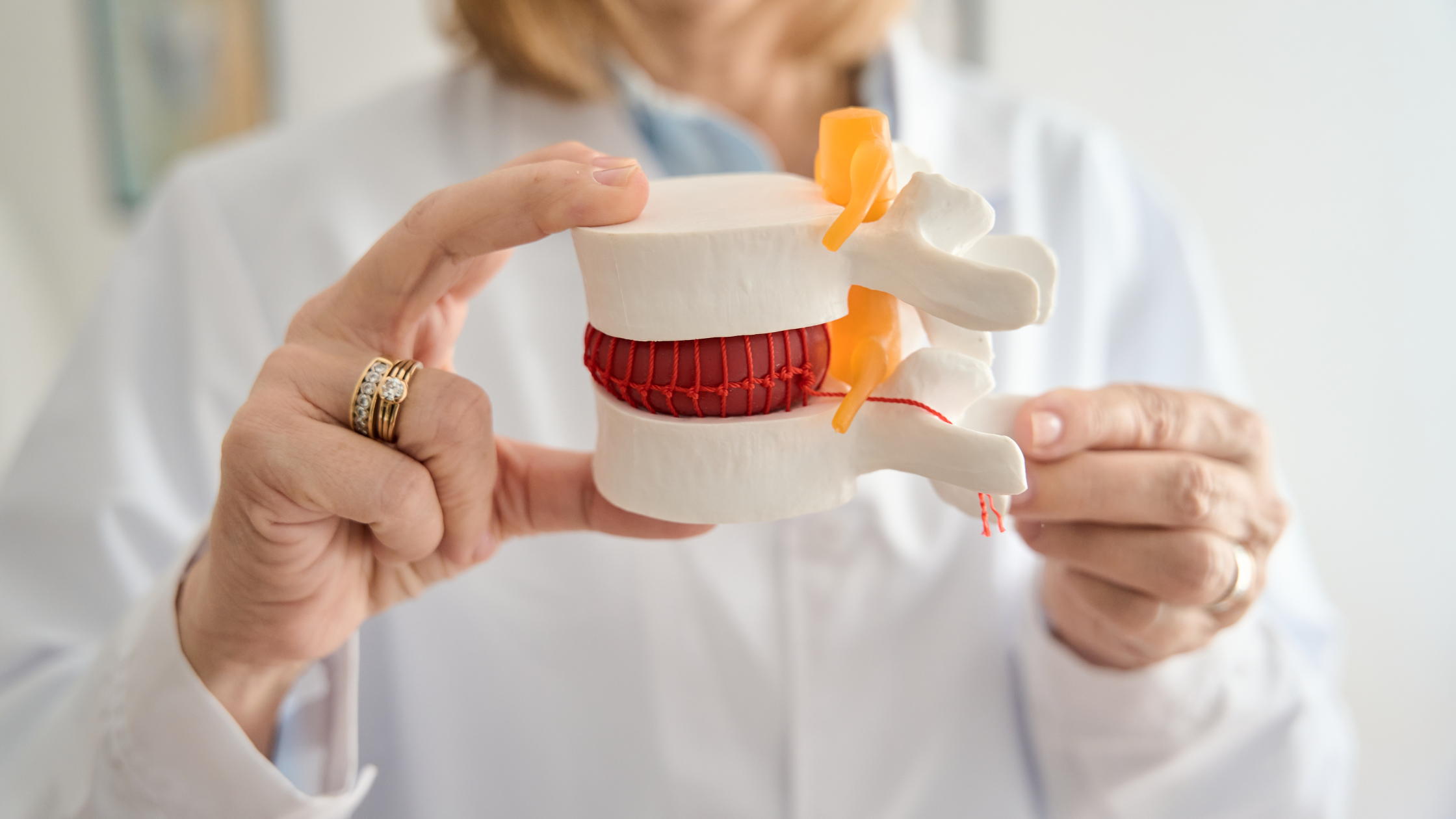
Back pain affects millions of Americans every year, and one of the most commonly misunderstood causes is a herniated disc. Despite how frequently this condition occurs, misinformation continues to shape how people think about diagnosis, treatment, and recovery. Many patients delay care because they believe they simply have to “live with it,” while others assume surgery is their only option.
Understanding the facts about herniated discs can help patients seek treatment sooner, make informed decisions, and often avoid unnecessary worry. Here are some of the most common myths about herniated discs and the truth behind them.
Is Every Herniated Disc Painful?
One of the biggest misconceptions is that every herniated disc causes severe pain. In reality, many herniated discs produce no symptoms at all.
Studies have shown that many healthy adults have disc bulges or herniations visible on MRI scans without experiencing any pain. Symptoms typically occur only when the herniated disc irritates or compresses a nearby spinal nerve.
Whether a herniated disc becomes painful depends on several factors, including:
- The location of the herniation
- Whether nearby nerves are affected
- The amount of inflammation present
- Individual anatomy
This is why healthcare providers evaluate both imaging findings and physical examination results rather than relying on MRI images alone.
Does a Herniated Disc Always Require Surgery?
Another widespread myth is that surgery is inevitable.
The truth is that most herniated discs improve without surgery. Conservative treatment often provides significant relief over several weeks to a few months.
Non-surgical treatment options may include:
- Physical therapy
- Anti-inflammatory medications
- Activity modification
- Epidural steroid injections
- Targeted rehabilitation exercises
Surgery is generally considered only when:
- Pain remains severe despite conservative treatment
- Significant muscle weakness develops
- Loss of bowel or bladder control occurs
- Progressive nerve damage is identified
For many patients, surgery is never necessary.
Can Only Older Adults Develop Herniated Discs?
While age-related degeneration increases the likelihood of disc problems, herniated discs frequently affect younger adults as well.
People between the ages of 30 and 50 commonly experience disc herniations because spinal discs still contain enough fluid that they can rupture under excessive pressure.
Athletes, manual laborers, office workers, and individuals with physically demanding hobbies may all develop herniated discs regardless of age.
Risk factors include:
- Heavy lifting
- Repetitive twisting
- Poor lifting mechanics
- Smoking
- Obesity
- Sedentary lifestyle
- Family history
Does Rest Help Herniated Discs Heal Faster?
Years ago, prolonged bed rest was commonly recommended for back pain. Today, specialists know that excessive rest often delays recovery.
While a brief period of reduced activity may help during severe flare-ups, prolonged inactivity can lead to muscle weakness, joint stiffness, reduced flexibility, and longer recovery times.
Instead, healthcare providers typically encourage gradual movement and guided physical therapy to promote healing while avoiding activities that worsen symptoms.
Is Exercise Dangerous If You Have a Herniated Disc?
Many patients fear that movement will worsen the injury.
The reality is that appropriate exercise often plays one of the most important roles in recovery.
Physical therapy programs are designed to:
- Improve spinal stability
- Strengthen core muscles
- Reduce pressure on affected discs
- Improve flexibility
- Restore normal movement patterns
Not every exercise is appropriate, however. High-impact activities or improper lifting techniques may aggravate symptoms, making professional guidance especially valuable.
Does Pain Always Mean the Disc Is Getting Worse?
Pain intensity does not always reflect the severity of a herniated disc.
Inflammation around irritated nerves can fluctuate from day to day, causing symptoms to improve or worsen even though the disc itself remains unchanged.
Likewise, many patients experience significant pain improvement before imaging shows noticeable changes.
Treatment focuses on improving function, reducing inflammation, and relieving nerve irritation rather than simply monitoring MRI findings.
Will a Herniated Disc Never Heal?
Some patients believe a herniated disc permanently remains damaged.
In many cases, the body gradually reabsorbs portions of the herniated disc through a natural healing process. Inflammation decreases over time, nerve irritation improves, and symptoms often become much less severe.
Although the disc may not return completely to its original structure, patients frequently recover enough to resume normal activities with little or no pain.
Can Chiropractic Care or “Popping the Disc Back Into Place” Fix a Herniated Disc?
Another common misconception is that a spinal adjustment can push the disc back into its normal position.
While certain manual therapies may reduce muscle tension and improve mobility for some patients, a herniated disc cannot simply be “popped back into place.”
Treatment focuses on reducing inflammation, relieving nerve compression, improving spinal mechanics, and supporting natural healing rather than repositioning the disc itself.
Patients should always discuss manual therapy with their spine specialist to determine whether it is appropriate for their specific condition.
Is Imaging Always Necessary to Diagnose a Herniated Disc?
Many people assume an MRI is required before treatment can begin.
In reality, healthcare providers often diagnose a herniated disc using a medical history, physical examination, neurological testing, and symptom patterns.
MRI is typically recommended when symptoms persist despite treatment, significant neurological deficits are present, surgery is being considered, or serious underlying conditions must be ruled out.
Can You Prevent Future Herniated Discs?
Although not every herniated disc can be prevented, certain habits may reduce the risk.
- Maintaining a healthy weight
- Strengthening core muscles
- Practicing proper lifting techniques
- Staying physically active
- Improving posture
- Avoiding tobacco use
- Taking regular movement breaks during prolonged sitting
Building long-term spinal health often reduces both future injuries and recurring back pain.
When Should You See a Spine Specialist?
Most episodes of back pain improve over time, but certain symptoms warrant prompt medical evaluation.
- Pain lasting more than several weeks
- Pain radiating down an arm or leg
- Numbness or tingling
- Muscle weakness
- Difficulty walking
- Loss of bowel or bladder control
- Severe pain following trauma
Early evaluation can identify the source of symptoms and help determine the most appropriate treatment before nerve irritation worsens.
Separating Fact From Fiction
Herniated discs are common, but many of the beliefs surrounding them are outdated or inaccurate. Not every herniated disc causes pain, surgery is rarely the first treatment option, and most patients improve with conservative care.
If persistent back pain, neck pain, or radiating arm or leg symptoms are interfering with your daily activities, an evaluation by a spine specialist can help determine whether a herniated disc is responsible and identify the treatment options that best fit your condition. Early diagnosis and personalized care often lead to better outcomes and a faster return to the activities you enjoy.