What Is Scoliosis in Adults?
Adult scoliosis is an abnormal sideways curvature of the spine that measures at least 10 degrees when evaluated using an X-ray. Instead of following a relatively straight vertical alignment, the spine curves to one side and may also rotate.
There are two primary types of adult scoliosis:
- Adult idiopathic scoliosis: This condition begins during childhood or adolescence but remains present into adulthood. Some people may not experience significant symptoms until later in life.
- Adult degenerative scoliosis: This condition develops as the spine ages. Degeneration of the spinal discs and joints can create uneven spacing and instability, causing the spine to gradually curve.
Adult degenerative scoliosis is particularly common among older adults. Age-related changes, including disc degeneration, arthritis, and weakening of spinal structures, can contribute to progressive curvature.
What Causes Scoliosis to Develop or Progress in Adulthood?
Adult scoliosis can develop for several reasons, but degenerative changes are among the most common contributing factors.
As people age, the discs between the vertebrae may lose height and flexibility. When degeneration occurs unevenly, one side of the spine may collapse more than the other, gradually creating a sideways curve.
Other contributing factors include:
- Degenerative disc disease
- Facet joint arthritis
- Osteoporosis and vertebral compression fractures
- Previous spinal surgery
- Existing scoliosis that progresses over time
- Age-related weakening of spinal support structures
In many cases, adult scoliosis develops gradually. The curvature may initially be mild, but continued degeneration can lead to changes in spinal alignment and increased discomfort.
What Are the Symptoms of Adult Scoliosis?
Adult scoliosis does not always cause noticeable symptoms. Some people discover they have spinal curvature during imaging performed for an unrelated condition. Others experience symptoms that gradually interfere with their daily routines.
Common symptoms include:
- Chronic lower back pain
- Uneven shoulders or hips
- Changes in posture or body alignment
- One side of the rib cage or lower back appearing more prominent
- Muscle fatigue or tightness
- Difficulty standing or walking for extended periods
- Pain that radiates into the buttocks or legs
- Numbness, tingling, or weakness in the legs
When scoliosis contributes to spinal stenosis or nerve compression, symptoms may extend beyond the back. Patients may experience leg pain, weakness, or discomfort that worsens while standing or walking.
In more advanced cases, changes in spinal alignment can make it difficult to maintain an upright posture.
How Is Scoliosis Diagnosed in Adults?
Diagnosing adult scoliosis involves evaluating spinal alignment, identifying the source of symptoms, and determining whether the curvature is progressing.
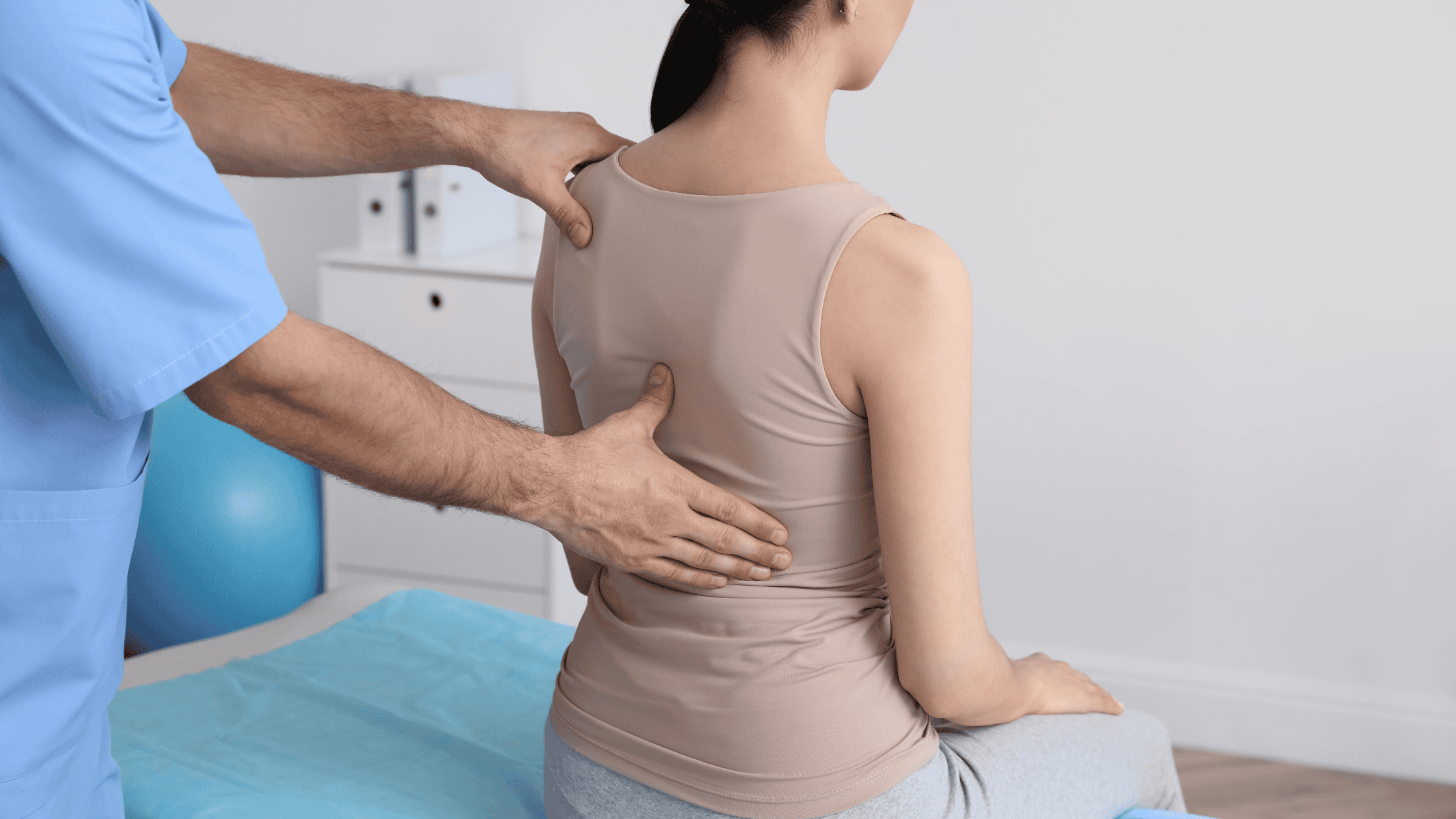
A physician typically begins with a medical history and physical examination. This may include assessing posture, shoulder and hip alignment, spinal flexibility, balance, and neurological function.
Imaging studies help confirm the diagnosis and measure the severity of the curvature.
Common diagnostic tools include:
- X-rays: Full-spine X-rays help measure the spinal curve using the Cobb angle, which determines the degree of curvature.
- MRI scans: MRI imaging provides detailed views of the spinal discs, nerves, and surrounding soft tissues. It can help identify spinal stenosis, disc degeneration, and nerve compression.
- CT scans: CT imaging provides detailed views of the spinal bones and may be recommended when additional information about bone structure is needed.
The diagnostic process also helps determine whether symptoms are directly related to scoliosis or caused by another spinal condition.
When Does Scoliosis in Adults Require Treatment?
Not every adult with scoliosis requires medical intervention. Mild spinal curvature without pain, neurological symptoms, or functional limitations may only require periodic monitoring.
However, treatment may become necessary when scoliosis causes persistent discomfort, affects mobility, or progresses enough to interfere with spinal stability.
Several factors influence treatment decisions:
Persistent back pain: Chronic discomfort that does not improve with conservative care may indicate a need for additional evaluation and treatment.
Nerve compression: When spinal curvature contributes to narrowing around the spinal nerves, patients may develop radiating pain, numbness, tingling, or weakness.
Progressive curvature: A spinal curve that continues to worsen may create increasing mechanical stress and changes in posture.
Difficulty with daily activities: Trouble standing, walking, sleeping, or completing routine activities may indicate that scoliosis is affecting quality of life.
Spinal imbalance: Significant changes in alignment can make it difficult to remain upright and may contribute to fatigue and discomfort.
New or progressive leg weakness, loss of coordination, or changes in bowel or bladder control require prompt medical evaluation.
What Are the Non-Surgical Treatment Options for Adult Scoliosis?
Most adults with scoliosis begin with conservative treatment, particularly when the curvature is mild or symptoms are manageable.
The goal of non-surgical treatment is to reduce pain, improve mobility, support spinal function, and help patients remain active.
Common treatment options include:
- Physical therapy: Targeted exercises can strengthen the core and back muscles, improve flexibility, and support better posture and balance.
- Anti-inflammatory medications: When appropriate, medications may help reduce inflammation and manage discomfort.
- Activity modification: Adjusting activities that aggravate symptoms can help reduce unnecessary stress on the spine.
- Epidural steroid injections: These injections may help relieve inflammation and pain associated with irritated or compressed spinal nerves.
- Facet joint injections: When arthritis in the small joints of the spine contributes to discomfort, targeted injections may help manage symptoms.
- Radiofrequency ablation: For appropriately selected patients, this procedure uses heat to interrupt pain signals from specific nerves supplying the facet joints.
Treatment plans are individualized based on the underlying cause of pain, the severity of the curvature, and the patient’s overall health.
Importantly, conservative treatments generally focus on symptom management rather than correcting the structural curvature itself.
When Is Surgery Necessary for Adult Scoliosis?
Surgery is typically considered when scoliosis causes significant symptoms that do not respond to appropriate non-surgical treatments.
It may also be recommended when progressive spinal deformity creates substantial imbalance, instability, or neurological complications.
Spinal fusion is one of the procedures used to treat more advanced scoliosis. During this surgery, two or more vertebrae are joined together to stabilize the spine and prevent further movement between the treated segments.
Depending on the patient’s condition, additional procedures may be necessary to relieve pressure on compressed nerves or improve spinal alignment.
Surgery is not appropriate for every adult with scoliosis. The potential benefits, recovery requirements, and risks must be carefully evaluated based on the patient’s symptoms, imaging findings, bone health, and overall medical condition.
Can Adults With Scoliosis Stay Active?
Yes. Most adults with scoliosis can remain physically active, and appropriate exercise is often an important part of managing the condition.
Low-impact activities such as walking, swimming, and stationary cycling can help maintain cardiovascular health and support mobility. Strengthening exercises may also improve core stability and reduce the physical strain associated with spinal imbalance.
However, exercise recommendations should account for the individual’s spinal curvature, pain levels, and physical limitations.
Patients experiencing significant back pain, radiating leg symptoms, or balance difficulties should seek medical guidance before beginning a new exercise program.
Maintaining a healthy weight, avoiding prolonged inactivity, and addressing age-related bone health concerns can also help support long-term spinal function.
Why Is Early Evaluation Important for Adult Scoliosis?
Adult scoliosis does not always require treatment, but identifying the condition early can help patients understand their spinal health and recognize changes before symptoms become more disruptive.
A comprehensive evaluation can determine whether the curvature is stable, whether nerve compression is present, and which treatment options may provide meaningful relief.
For adults experiencing persistent back pain, changes in posture, or difficulty walking or standing, an evaluation by a spine specialist can help identify the underlying cause and guide appropriate care.
The goal is not simply to address the spinal curvature but to reduce pain, preserve mobility, and help patients maintain their independence and quality of life.