
What Is Coccyx Pain?
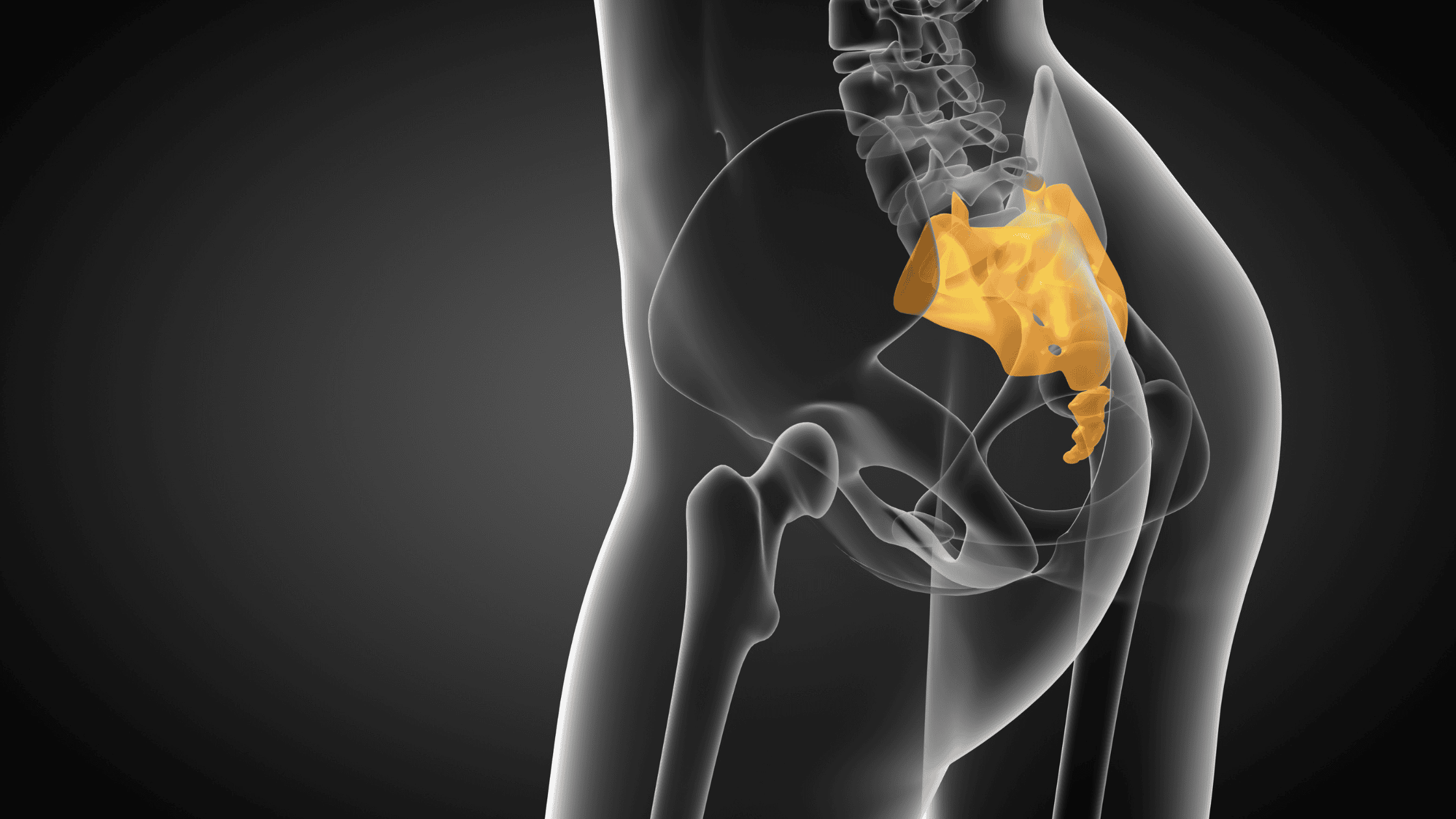
Coccyx pain refers to discomfort involving the coccyx, commonly called the tailbone. The coccyx is a small, triangular structure made up of several fused vertebrae at the very bottom of the spine. It helps support the body when sitting and serves as an attachment point for several muscles, ligaments, and tendons.
Coccydynia describes pain originating in or around this structure. Symptoms are often most noticeable when sitting, particularly on hard surfaces, or when transitioning from sitting to standing.
Although tailbone pain is not always associated with a serious medical condition, persistent discomfort can interfere with work, sleep, exercise, and other daily activities.
What Are the Most Common Causes of Tailbone Pain?
Tailbone pain can develop for several reasons, including direct injuries, repetitive pressure, changes in joint mobility, and underlying medical conditions.
Common causes include:
- Falls and direct injuries: Falling backward onto a hard surface can bruise, fracture, or dislocate the coccyx.
- Prolonged sitting: Sitting for extended periods, particularly on hard or poorly designed surfaces, can place excessive pressure on the tailbone.
- Repetitive strain: Activities such as cycling, rowing, or other exercises that place repeated pressure on the coccyx may contribute to inflammation and discomfort.
- Childbirth: The physical stress of vaginal delivery can injure the tissues surrounding the tailbone or affect coccyx positioning.
- Joint degeneration or abnormal mobility: Changes in the small joints connecting the coccyx can cause inflammation and pain during movement.
- Poor posture: Leaning backward or sitting with improper weight distribution may increase pressure on the tailbone.
In some cases, tailbone pain develops without a clearly identifiable injury. Less commonly, an infection, cyst, tumor, or another underlying condition may be responsible for symptoms.
What Are the Symptoms of Coccydynia?
Coccydynia typically causes localized pain at the base of the spine, although the intensity and pattern of symptoms can vary.
Common symptoms include:
- Aching or sharp pain directly over the tailbone.
- Increased discomfort when sitting or leaning backward.
- Pain when transitioning from sitting to standing.
- Tenderness when pressure is applied to the tailbone.
- Discomfort during bowel movements.
- Pain during sexual activity.
- Difficulty sitting for extended periods.
Some individuals experience persistent soreness, while others notice pain primarily during specific movements or activities.
Symptoms that include unexplained weight loss, fever, drainage, or significant changes in bowel or bladder function warrant prompt medical evaluation because they may indicate a condition beyond routine coccyx irritation.
How Is Tailbone Pain Diagnosed?
Diagnosing coccyx pain typically begins with a medical history and physical examination. A physician will ask about when the symptoms started, whether an injury occurred, which activities make the pain worse, and how the discomfort affects daily life.
During the examination, the physician may evaluate tenderness around the coccyx, spinal alignment, posture, and surrounding muscles and tissues.
Imaging may be recommended when an injury or underlying structural problem is suspected. Diagnostic options can include:
- X-rays: Help identify fractures, dislocations, and certain structural abnormalities.
- Dynamic X-rays: Images taken while sitting and standing can reveal abnormal movement or excessive mobility of the coccyx.
- MRI: Provides detailed images of soft tissues and can help identify inflammation, infection, tumors, or other potential sources of pain.
- CT scans: May provide additional detail when a fracture or complex bone injury is suspected.
An accurate diagnosis helps distinguish coccydynia from other conditions that can cause pain in the lower back, pelvis, or buttocks.
What Are the Non-Surgical Treatment Options for Coccyx Pain?
Most cases of tailbone pain can initially be managed with conservative treatments designed to reduce pressure, control inflammation, and improve comfort.
Common approaches include:
- Cushions and seating modifications: Wedge-shaped or coccyx cushions can reduce direct pressure on the tailbone while sitting.
- Activity modifications: Taking regular breaks from sitting and temporarily avoiding activities that aggravate symptoms can help reduce irritation.
- Physical therapy: Targeted exercises can improve pelvic floor coordination, posture, flexibility, and surrounding muscle function.
- Medications: Depending on the patient’s medical history, anti-inflammatory medications or other pain-relieving medications may help manage symptoms.
- Heat or ice: Applying heat or cold to the affected area may provide temporary relief.
Physical therapy may be particularly beneficial when muscle tension, pelvic floor dysfunction, or abnormal movement patterns contribute to coccyx pain.
If symptoms persist despite these measures, additional pain management treatments may be appropriate.
Can Injections Help Relieve Chronic Tailbone Pain?
For individuals who continue experiencing coccyx pain despite conservative treatment, targeted injections may offer another treatment option.
Depending on the suspected source of pain, a physician may recommend a local anesthetic and corticosteroid injection around the coccyx or into the surrounding structures. These injections are intended to reduce inflammation and interrupt pain signals.
A ganglion impar block is another interventional procedure that may help individuals with persistent tailbone pain.
The ganglion impar is a small collection of nerve cells located near the front of the coccyx. It plays a role in transmitting pain signals from structures in the lower pelvic region, including the perineum and tailbone area.
During a ganglion impar block, a physician uses imaging guidance to position a needle near this nerve structure and administer medication. The procedure may help reduce pain and inflammation while providing diagnostic information about the source of symptoms.
Some patients experience temporary relief, while others may experience longer-lasting improvements. Results vary depending on the underlying condition and individual response to treatment.
When Is Surgery Necessary for Tailbone Pain?
Surgery is rarely necessary for coccydynia. Most patients improve with conservative care or minimally invasive pain management treatments.
However, individuals with severe, persistent symptoms that significantly interfere with daily activities may be evaluated for surgical treatment when other approaches have failed.
The most common surgical procedure is a coccygectomy, which involves removing part or all of the coccyx. It may be considered in carefully selected patients with chronic pain associated with structural abnormalities, instability, or other identifiable problems.
Because recovery can be lengthy and complications such as infection or wound-healing problems are possible, physicians generally recommend exhausting appropriate non-surgical options before considering surgery.
When Should Someone See a Physician for Tailbone Pain?
Occasional tailbone soreness may improve with rest and changes in sitting habits. However, persistent or worsening symptoms should not be ignored.
A medical evaluation is recommended when:
- Tailbone pain continues for several weeks without improvement.
- Pain interferes with sitting, working, driving, or sleeping.
- Symptoms develop after a significant fall or injury.
- Pain becomes progressively worse.
- Discomfort occurs alongside unexplained swelling, fever, or drainage.
Early evaluation can help identify the underlying cause and prevent prolonged discomfort.
How Can a Personalized Treatment Plan Help Manage Coccydynia?
Coccyx pain can have several underlying causes, which means treatment needs to address the specific structures contributing to symptoms. A patient with a tailbone injury may require a different approach than someone experiencing pain related to pelvic floor dysfunction, abnormal coccyx mobility, or nerve irritation.
A comprehensive pain management evaluation can help determine whether conservative care, physical therapy, targeted injections, or other interventions are appropriate.
With an accurate diagnosis and individualized treatment plan, many people with coccydynia can reduce discomfort, improve sitting tolerance, and return to their normal daily activities.