
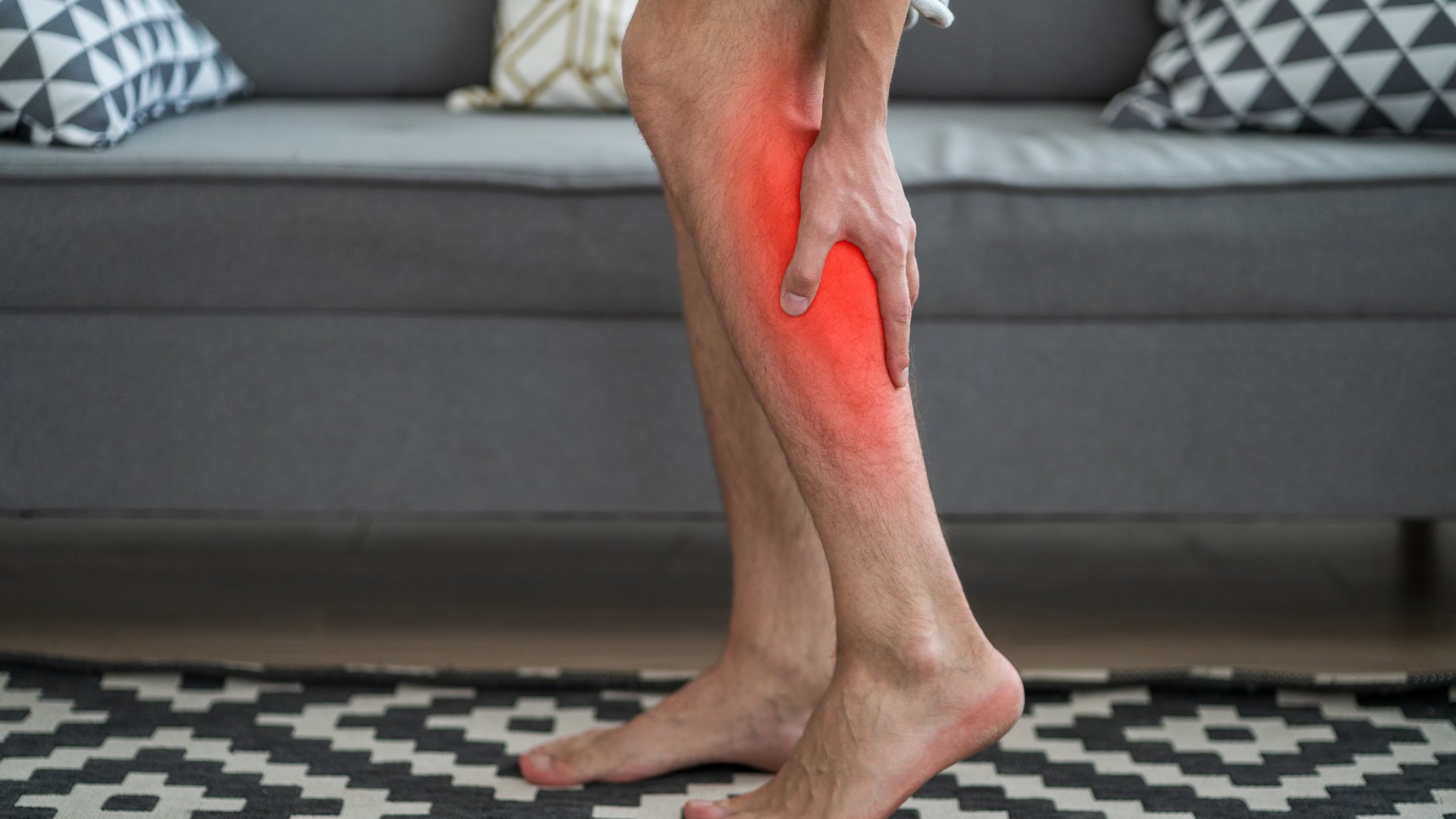
Leg pain is a common complaint that affects people of all ages, but identifying the true source of that pain is not always straightforward. Many people assume discomfort in the thigh, buttock, or groin must be caused by a problem in the leg itself. In reality, pain that travels into the leg often begins somewhere else, most commonly in the spine or the hip.
Because spinal conditions and hip disorders frequently produce similar symptoms, it can be difficult to know which area is responsible without a thorough evaluation. Understanding the differences can help patients seek the right treatment sooner and avoid unnecessary delays in recovery.
Could Your Spine Be Causing Your Leg Pain?
Yes. Your spine can cause leg pain when nerves in the lower back become irritated, compressed, or inflamed. The lumbar spine contains nerves that travel from the lower back through the hips and down each leg. If one of these nerves becomes pinched, pain can radiate far from its original source.
Common spine-related causes of leg pain include:
- Herniated discs
- Lumbar spinal stenosis
- Degenerative disc disease
- Sciatica
- Spondylolisthesis
- Facet joint arthritis
- Foraminal stenosis
When the spine is the source, patients often experience pain that travels below the knee, accompanied by numbness, tingling, burning sensations, or muscle weakness.
Could Your Hip Be Responsible Instead?
Absolutely. Hip joint problems can create pain that feels remarkably similar to spinal pain. Because the hip sits close to the lower back and pelvis, discomfort often spreads into nearby muscles and tissues.
Common hip conditions include:
- Hip osteoarthritis
- Labral tears
- Hip bursitis
- Tendinitis
- Femoroacetabular impingement (FAI)
- Hip fractures or stress injuries
Hip-related pain is more likely to occur in the groin, outer hip, buttock, or upper thigh. Many patients notice discomfort when walking, climbing stairs, standing from a seated position, or rotating the leg.
How Can You Tell the Difference Between Spine Pain and Hip Pain?
Signs the Spine May Be the Source
Spine-related pain often:
- Radiates below the knee
- Feels sharp, burning, or electric
- Includes numbness or tingling
- Worsens with prolonged sitting
- Increases when coughing or sneezing
- Changes with bending or twisting
Sciatica is one of the most recognizable examples of spine-related leg pain, occurring when the sciatic nerve becomes irritated.
Signs the Hip May Be the Source
Hip-related pain often:
- Starts in the groin
- Spreads into the upper thigh or buttock
- Feels deep and aching
- Worsens with walking or weight-bearing
- Causes stiffness after inactivity
- Makes it difficult to put on shoes or cross your legs
Pain that stays above the knee is more commonly associated with hip disorders, although exceptions do exist.
Why Is the Location of Pain Not Always Reliable?
Pain does not always follow textbook patterns. The nervous system can refer pain to nearby areas, making the true source difficult to identify.
- Hip arthritis may cause knee pain.
- A pinched spinal nerve may feel like calf pain.
- Sacroiliac joint dysfunction may mimic both hip and spinal conditions.
- Muscle strain may overlap with either diagnosis.
What Happens During an Evaluation?
A comprehensive evaluation helps determine where the pain is actually coming from.
Your provider may perform:
- A detailed medical history
- Physical examination
- Range-of-motion testing
- Neurological examination
- Muscle strength testing
- Reflex testing
- Walking and balance assessment
Depending on the findings, additional imaging may be recommended, including X-rays, MRI scans, CT scans, diagnostic ultrasound, or diagnostic injections to identify the true pain generator.
Can Someone Have Both Hip and Spine Problems?
Yes. This is known as hip-spine syndrome, and it is more common than many people realize. Arthritis, disc degeneration, and joint wear can occur simultaneously, and one condition may worsen the other by altering posture and movement patterns.
What Treatments Are Available?
Treatment depends entirely on the underlying diagnosis.
For Spine Conditions
- Physical therapy
- Anti-inflammatory medications
- Epidural steroid injections
- Nerve blocks
- Radiofrequency ablation
- Minimally invasive spine procedures
- Surgery when appropriate
For Hip Conditions
- Physical therapy
- Activity modification
- Joint injections
- Regenerative medicine therapies when appropriate
- Hip preservation procedures
- Hip replacement for advanced arthritis
When Should You See a Specialist?
You should schedule an evaluation if leg pain lasts longer than several weeks, interferes with walking, includes numbness or weakness, worsens despite rest, or continues to return.
Seek immediate medical attention if you experience loss of bowel or bladder control, progressive leg weakness, severe numbness in the groin area, significant trauma, or fever accompanied by back pain.
Why Is an Accurate Diagnosis So Important?
An accurate diagnosis is the foundation of effective treatment. Treating the wrong source of pain may delay recovery and prolong symptoms. A comprehensive evaluation allows your physician to identify whether your pain originates from the spine, hip, or another structure and develop a personalized treatment plan designed to restore mobility and improve your quality of life.
Frequently Asked Questions
Can a pinched nerve in the back cause hip pain?
Yes. Lumbar nerve compression can cause pain that radiates into the hip, buttock, thigh, and leg.
Does hip arthritis always cause groin pain?
No. Although groin pain is common, hip arthritis may also cause pain in the thigh, buttock, or knee.
Is sciatica always caused by a herniated disc?
No. Sciatica may also result from spinal stenosis, bone spurs, degenerative disc disease, or spondylolisthesis.
Will an MRI always identify the cause?
No. Imaging must always be interpreted alongside your symptoms and physical examination.
Can physical therapy help both hip and spine conditions?
Yes. Physical therapy is often an effective first-line treatment for improving strength, flexibility, movement, and function in both hip and spine disorders.