
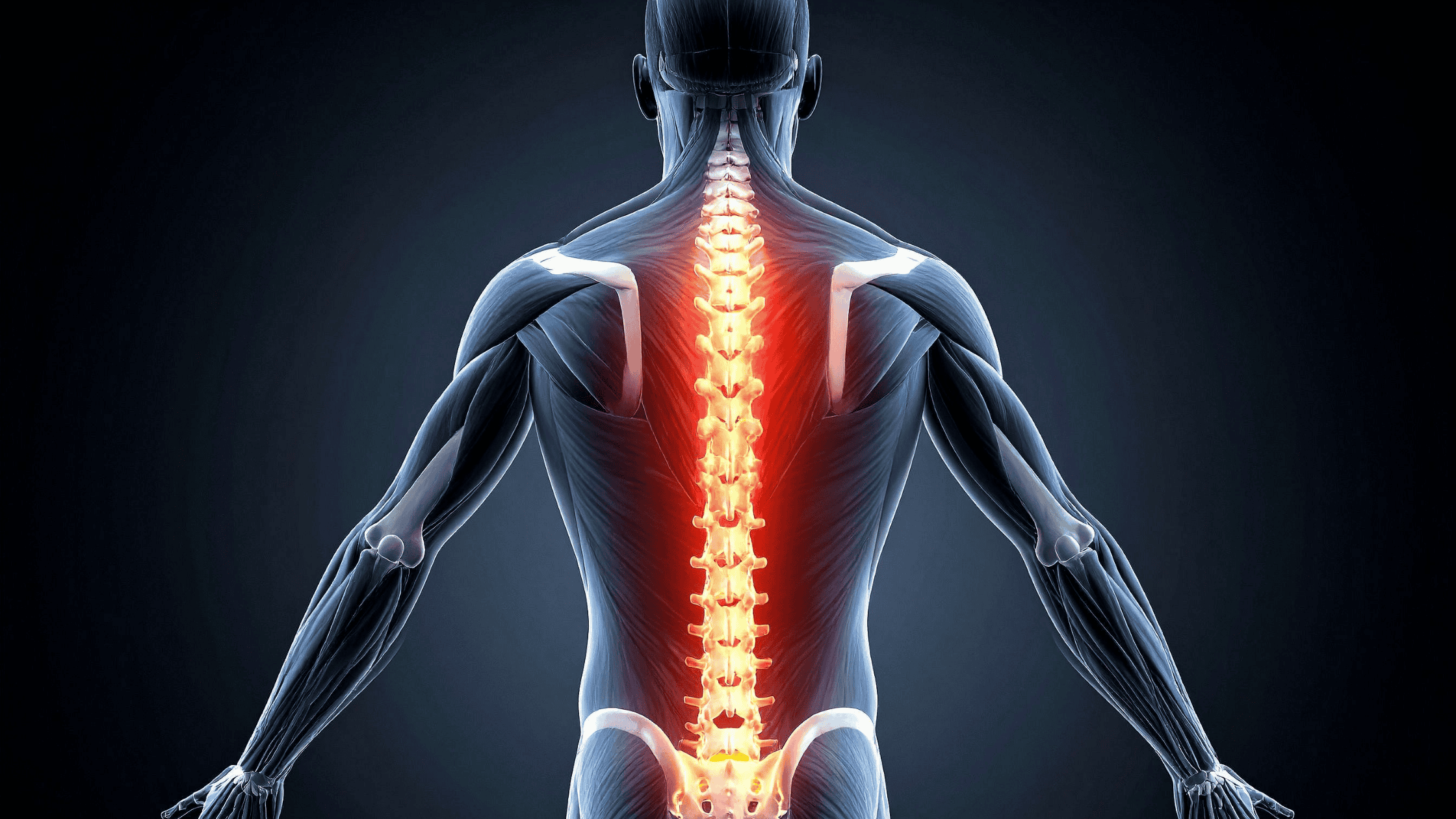
Core strength plays a critical role in maintaining a healthy spine. While many people associate the “core” with abdominal muscles and six-pack abs, the core is actually a complex group of muscles that stabilize the spine, pelvis, and hips. These muscles work together to support everyday movements, from standing and walking to lifting groceries or exercising.
When the core is strong, it helps distribute forces evenly throughout the body, reducing stress on the spinal joints, discs, and surrounding muscles. Conversely, a weak core forces the spine to compensate, increasing the likelihood of muscle strain, poor posture, and chronic back pain.
For people of all ages, developing core strength is one of the most effective ways to support long-term spinal health and reduce the risk of injury.
Why Is Core Strength Important for a Healthy Spine?
Core strength is important for a healthy spine because the muscles surrounding the trunk provide stability and support during nearly every movement. A strong core helps maintain proper spinal alignment while reducing unnecessary stress on the vertebrae, discs, ligaments, and muscles.
What Muscles Make Up the Core?
The core includes much more than the abdominal muscles. It is made up of several muscle groups that work together to stabilize the spine and pelvis.
- Transverse abdominis
- Rectus abdominis
- Internal and external obliques
- Multifidus muscles
- Erector spinae muscles
- Pelvic floor muscles
- Diaphragm
- Gluteal muscles
- Hip stabilizers
Together, these muscles create a natural support system that protects the spine during movement and while at rest.
How Does Core Strength Protect the Spine?
Core strength protects the spine by acting like an internal brace. Every time you bend, twist, lift, or sit upright, your core muscles activate to stabilize the spine.
A strong core helps:
- Reduce excessive movement between vertebrae
- Improve spinal alignment
- Decrease pressure on spinal discs
- Minimize muscle fatigue
- Support healthy posture
- Improve balance and coordination
- Reduce the risk of falls
Can Weak Core Muscles Cause Back Pain?
Yes. Weak core muscles are one of the most common contributors to both acute and chronic back pain. When the core cannot adequately stabilize the spine, surrounding muscles compensate, often resulting in muscle tightness, spasms, poor posture, lumbar strain, increased stress on spinal joints, accelerated disc degeneration, and a greater risk of herniated discs.
How Does Core Strength Improve Posture?
Core strength improves posture by helping maintain proper spinal alignment throughout the day. Strong core muscles keep the shoulders aligned over the hips while preserving the spine’s natural curves.
Improved posture can reduce:
- Neck pain
- Shoulder tension
- Mid-back discomfort
- Lower back pain
- Muscle fatigue
Can Core Exercises Help Prevent Spine Injuries?
Yes. Core exercises improve spinal stability and movement control, helping reduce the risk of injury during lifting, sports, household chores, gardening, and other physical activities.
Examples of activities that benefit from strong core muscles include:
- Golf
- Tennis
- Pickleball
- Running
- Strength training
Which Core Exercises Are Safe for Most People?
Many effective core exercises strengthen the muscles supporting the spine without placing excessive stress on the back.
- Modified plank
- Side plank
- Bird dog
- Dead bug
- Glute bridge
- Pelvic tilts
- Standing core stabilization exercises
Walking, swimming, and yoga can also improve core strength while promoting flexibility and balance. Individuals with existing back pain should consult a healthcare provider before beginning a new exercise program.
Can Core Strength Help People With Degenerative Spine Conditions?
Core strengthening is often part of conservative treatment for degenerative disc disease, spinal stenosis, facet arthritis, spondylolisthesis, chronic mechanical low back pain, and sacroiliac joint dysfunction. While exercise cannot reverse structural changes, improving spinal stability frequently helps reduce pain and improve daily function.
How Long Does It Take to Build Core Strength?
Many people begin noticing improvements within four to eight weeks of consistent exercise. Long-term success depends on proper technique, gradual progression, consistency, and combining strengthening exercises with flexibility and good posture habits.
When Should Back Pain Be Evaluated by a Specialist?
Seek medical evaluation if back pain lasts longer than several weeks, worsens over time, radiates into the arms or legs, causes numbness or weakness, interferes with sleep or daily activities, follows an injury, or is accompanied by bowel or bladder dysfunction.
Strengthening Your Core Supports Long-Term Spine Health
The connection between core strength and a healthy spine is well established. Strong core muscles help stabilize the spine, improve posture, reduce stress on spinal structures, and lower the risk of injury. Whether your goal is preventing future back problems or managing an existing condition, building core strength is an important part of maintaining spinal health.
If you experience persistent neck or back pain despite exercise and lifestyle modifications, consulting a spine or pain management specialist can help identify the source of your symptoms and develop a personalized treatment plan to help you stay active and comfortable.