
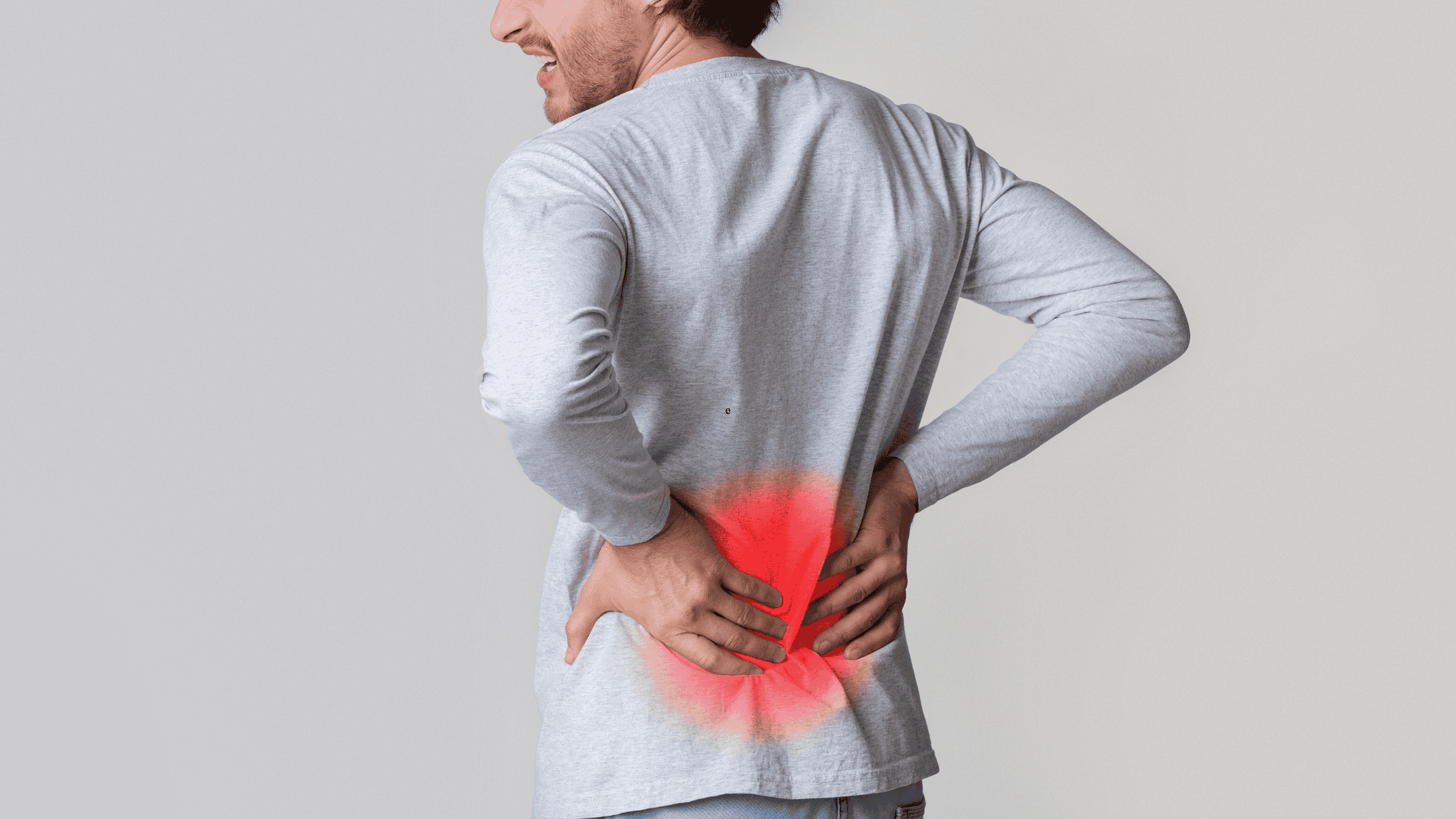
Lower back pain is one of the most common reasons people seek medical care—but not all low back pain comes from the spine itself. For many patients, the true source is the sacroiliac (SI) joint, a small but powerful joint that plays a critical role in movement and stability. When this joint becomes irritated or dysfunctional, it can cause significant pain and limit daily activities.
Understanding what SI joint pain is, why it happens, and how modern treatments can help is the first step toward lasting relief.
What Is the Sacroiliac Joint?
The sacroiliac joints are located where the sacrum (the triangular bone at the base of the spine) meets the iliac bones of the pelvis. You have two SI joints—one on each side of the lower back.
These joints are designed to provide stability while allowing small, controlled movements that help absorb shock during walking, bending, and lifting. When the SI joint becomes inflamed or moves improperly, pain can develop.
Common Causes of Sacroiliac Joint Pain
SI joint pain can result from several underlying factors, including:
Joint dysfunction or misalignment
Too much or too little movement in the SI joint can strain surrounding ligaments and muscles.
Degenerative changes
Arthritis and age-related wear and tear can affect the SI joint over time.
Pregnancy and postpartum changes
Hormonal changes and increased joint laxity can place added stress on the SI joint.
Trauma or injury
Falls, car accidents, or sudden twisting movements may damage the joint.
Previous spine surgery
Altered biomechanics after lumbar fusion or other spine procedures can increase stress on the SI joint.
Symptoms of SI Joint Pain
SI joint pain is often mistaken for other causes of low back pain. Common symptoms include:
- Pain in the lower back, buttocks, or hips
- Pain that worsens with standing, walking, or climbing stairs
- Discomfort when transitioning from sitting to standing
- Pain on one side of the lower back (though both sides can be affected)
- Pain that may radiate into the groin or upper thigh
Unlike sciatica, SI joint pain typically does not travel far down the leg.
How Sacroiliac Joint Pain Is Diagnosed
Diagnosis begins with a thorough medical history and physical examination. Because imaging alone may not always show SI joint dysfunction, diagnosis often includes:
- Specific physical exam maneuvers that stress the SI joint
- Imaging studies such as X-rays, CT scans, or MRI to rule out other conditions
- Diagnostic SI joint injections to confirm the joint as the pain source
Accurate diagnosis is essential to ensure the most effective treatment plan.
Modern Treatment Options for SI Joint Pain
Treatment is typically tailored to the severity of symptoms and the underlying cause.
Conservative Treatments
Many patients improve with non-invasive care, including:
- Physical therapy focused on pelvic stability and core strengthening
- Activity modification and posture correction
- Anti-inflammatory medications
- Support belts or braces for temporary stabilization
Interventional Treatments
When conservative care is not enough, minimally invasive options may help:
- Image-guided SI joint injections to reduce inflammation and pain
- Radiofrequency ablation to disrupt pain-signaling nerves around the joint
Advanced and Surgical Options
For persistent, severe SI joint pain that does not respond to other treatments, minimally invasive SI joint fusion may be considered in select patients. This option is reserved for carefully diagnosed cases and performed only after conservative measures have been exhausted.
Why a Personalized Approach Matters
Sacroiliac joint pain often overlaps with other spine, hip, or muscular conditions. A comprehensive evaluation and individualized treatment plan are key to achieving meaningful, long-term relief. Modern pain management focuses on restoring function—not just masking symptoms.
When to Seek Care
If you have ongoing lower back or buttock pain that has not improved with rest or standard treatments, an evaluation by a spine or pain specialist may help identify whether the SI joint is contributing to your symptoms.
Early diagnosis and appropriate treatment can prevent chronic pain and help you return to daily activities more comfortably.