
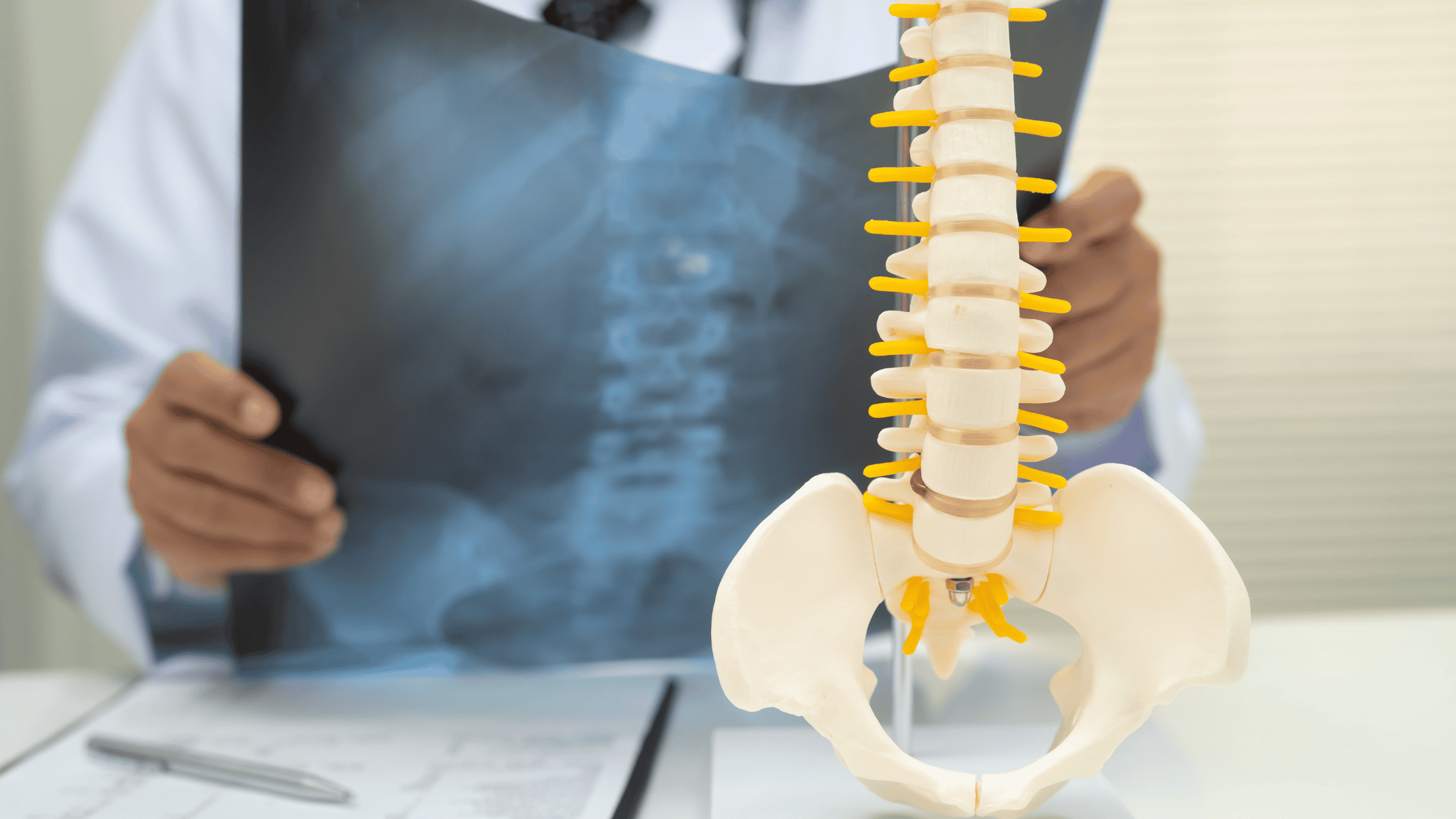
Spine pain is a common problem affecting millions of people worldwide, often leading to decreased mobility, reduced quality of life, and frustration with traditional treatments. While medications, physical therapy, and surgery are common approaches, regenerative medicine has emerged as a promising option for those seeking alternatives that target the root cause of pain rather than just alleviating symptoms.
What Is Regenerative Medicine?
Regenerative medicine is a branch of medical science focused on repairing, replacing, or regenerating damaged tissues and organs. In the context of spine care, this approach often involves using the body’s own cells or growth factors to promote healing of injured discs, joints, or nerve structures. Key techniques include:
- Platelet-Rich Plasma (PRP) Therapy – PRP is derived from a patient’s own blood and contains concentrated growth factors that can stimulate tissue repair.
- Bone Marrow Aspirate Concentrate (BMAC) – This therapy uses stem cells from bone marrow to promote healing of spinal structures.
How Regenerative Medicine Helps Spine Pain
Unlike conventional treatments that often mask pain with medications or rely on invasive surgery, regenerative therapies aim to address the underlying cause. Benefits may include:
- Reduction in inflammation around spinal discs or joints
- Promotion of tissue repair and regeneration
- Potential delay or avoidance of surgery
- Improved mobility and functional outcomes
Who Can Benefit?
Regenerative treatments are typically considered for individuals who:
- Have chronic back or neck pain lasting more than 3–6 months
- Have not found sufficient relief from medications, physical therapy, or injections
- Want to explore non-surgical options before considering spinal surgery
It’s important to note that results can vary based on age, overall health, severity of spine injury, and the specific regenerative therapy used.
What to Expect During Treatment
Most regenerative procedures are minimally invasive and performed in an outpatient setting. A typical visit may include:
- Evaluation and Imaging: Your physician will review your medical history and imaging studies to identify the area of injury.
- Harvesting Material (if needed): For PRP or BMAC, blood or bone marrow is collected from the patient.
- Processing: The collected material is processed to concentrate the active cells or growth factors.
- Injection: The prepared regenerative material is carefully injected into the injured spinal area under imaging guidance.
Recovery is usually faster than traditional surgery, with most patients returning to normal activities within a few days to weeks, depending on the procedure.
Considerations and Limitations
While regenerative medicine offers exciting possibilities, it’s important to approach it with realistic expectations:
- Effectiveness varies among patients
- Multiple sessions may be required
- Insurance coverage is limited in many cases
- Research is ongoing, and long-term results are still being studied
Conclusion
Regenerative medicine represents a growing field with the potential to change how spine pain is treated. By focusing on repairing tissue rather than just relieving pain, these therapies provide a non-surgical alternative for many patients. If you are struggling with chronic spine pain, consult a board-certified spine or pain specialist to see if regenerative medicine could be an option for you.