
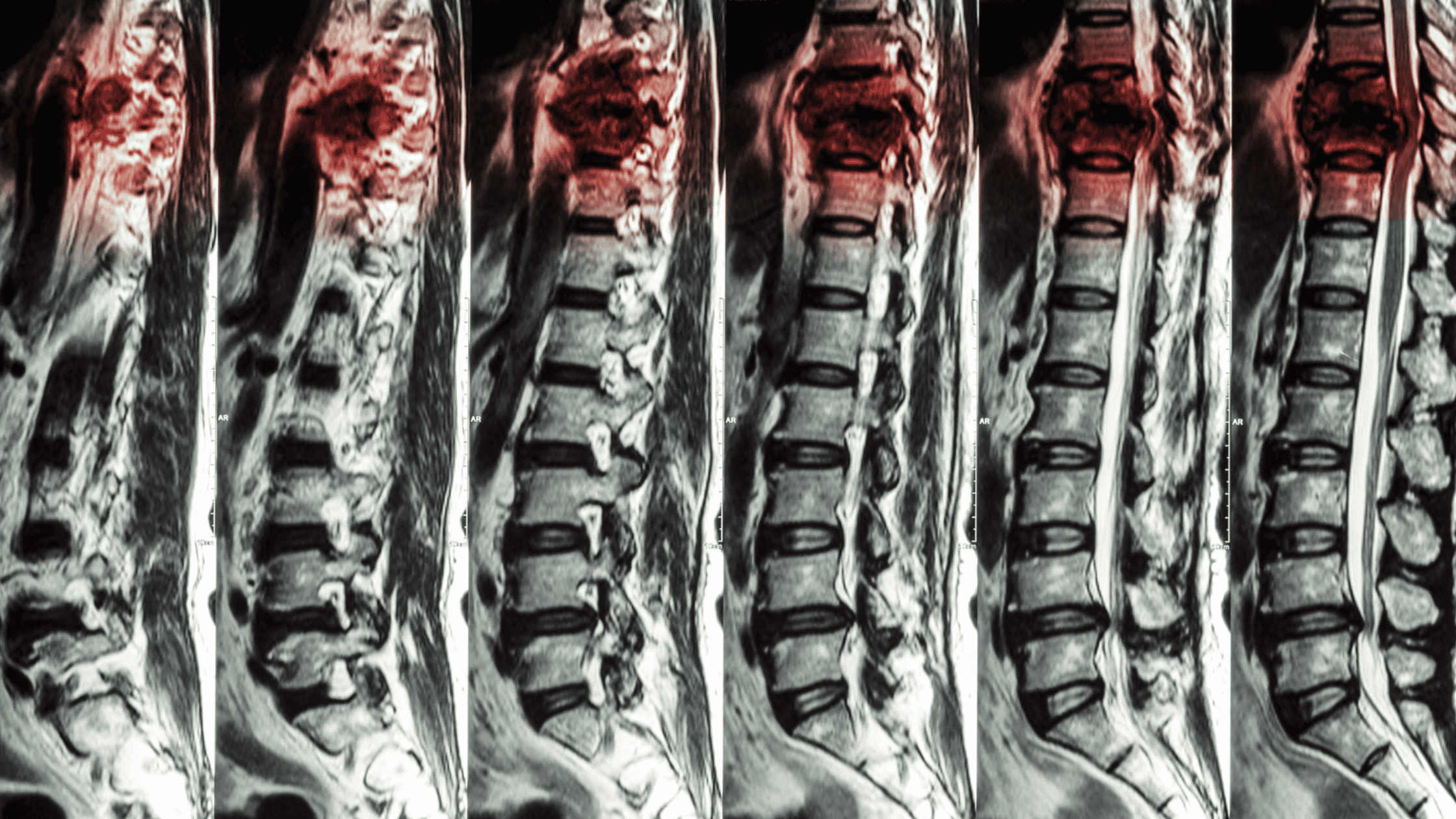
Compression fractures are a common cause of back pain, particularly among older adults and people with osteoporosis. These injuries occur when a vertebra, one of the bones that forms the spinal column, collapses or loses height under pressure. Although some compression fractures develop after a fall or other injury, others can occur during everyday activities when weakened bones are unable to withstand normal stress.
Understanding the causes, symptoms, and treatment options for spinal compression fractures can help patients recognize when medical evaluation is necessary. Depending on the severity of the fracture, treatment may include pain management, activity modifications, osteoporosis care, physical therapy, or minimally invasive procedures designed to stabilize the affected vertebra.
What Is a Spinal Compression Fracture?
A spinal compression fracture occurs when a vertebra becomes compressed and loses some of its normal height. The fracture most often affects the thoracic spine, which is the middle portion of the back, or the upper lumbar spine, which is the lower back.
Healthy vertebrae are designed to support body weight and absorb forces during movement. When a vertebra weakens or experiences excessive force, its structure can crack or collapse. This may cause sudden pain, changes in posture, and difficulty performing everyday activities.
Compression fractures vary in severity. Some involve a small loss of vertebral height and improve with conservative treatment. Others cause substantial collapse, spinal deformity, or pressure on nearby nerves. The appropriate treatment depends on the location and severity of the fracture, the patient’s overall health, and the underlying cause.
What Causes Compression Fractures?
Osteoporosis is one of the leading causes of vertebral compression fractures. This condition reduces bone density and weakens the internal structure of bones, making vertebrae more vulnerable to breaking. In people with osteoporosis, a fracture may develop after a minor fall, lifting a relatively light object, bending forward, or even coughing or sneezing.
Age-related bone loss increases the risk, particularly among postmenopausal women and older adults. However, osteoporosis can affect people of different ages and genders.
Other potential causes include:
- Traumatic injuries: Falls from significant heights, motor vehicle collisions, and other high-impact accidents can fracture vertebrae, even when bone density is normal.
- Cancer-related bone weakening: Certain cancers, including cancers that spread to the spine, can weaken vertebral structures and increase fracture risk.
- Long-term corticosteroid use: Prolonged use of certain steroid medications can contribute to bone loss and osteoporosis.
- Other medical conditions: Some metabolic, hormonal, and inflammatory disorders can interfere with bone strength.
Identifying the underlying cause is important because treatment may need to address more than the fracture itself. Patients with osteoporosis, for example, may benefit from bone-strengthening treatment to reduce the risk of future fractures.
What Are the Symptoms of a Compression Fracture?
Compression fracture symptoms can range from mild discomfort to severe, disabling back pain. Some fractures develop gradually and cause few noticeable symptoms, while others produce sudden pain that begins immediately after an injury or routine movement.
Common symptoms include:
- Sudden or persistent pain in the middle or lower back.
- Pain that worsens when standing, walking, bending, or lifting.
- Relief when lying down or resting.
- Tenderness near the affected vertebra.
- Reduced spinal mobility or difficulty completing daily activities.
- Loss of height or a more rounded upper-back posture when fractures accumulate.
Pain may remain localized to the back, although some patients experience discomfort that spreads around the torso. Multiple compression fractures can gradually change spinal alignment and increase the forward curvature of the upper back.
Severe back pain following an accident, new leg weakness, numbness, difficulty walking, or loss of bladder or bowel control requires urgent medical evaluation. These symptoms can indicate a more serious spinal injury or nerve compression.
How Are Compression Fractures Diagnosed?
Diagnosing a compression fracture typically begins with a medical history and physical examination. A healthcare provider may ask when the pain started, whether an injury occurred, which movements worsen symptoms, and whether the patient has risk factors for osteoporosis or cancer.
Imaging tests help confirm the diagnosis and determine the extent of the injury. These may include:
- X-rays: Can reveal vertebral height loss, changes in spinal alignment, and visible fractures.
- Magnetic resonance imaging (MRI): Can help determine whether a fracture is recent or older and identify potential nerve involvement or underlying abnormalities.
- Computed tomography (CT): Provides detailed images of the vertebrae and can help evaluate complex fractures or traumatic injuries.
A bone density test may also be recommended when osteoporosis is suspected. Blood tests or additional imaging may be appropriate if a medical condition, medication effect, or cancer is thought to have contributed to the fracture.
An accurate diagnosis helps distinguish compression fractures from other causes of back pain, including muscle strains, herniated discs, and degenerative spinal conditions.
What Are the Treatment Options for Compression Fractures?
Compression fracture treatment depends on the severity of the injury, the degree of pain, and whether the spine remains stable. Many fractures improve without surgery, but some patients require additional treatment when pain persists or the vertebra is significantly compromised.
Can Compression Fractures Heal Without Surgery?
Yes. Many stable compression fractures heal with conservative treatment over several weeks to a few months. Treatment may include appropriate pain medication, temporary activity modification, and a gradual return to normal movement.
Patients are generally advised to avoid heavy lifting, repetitive bending, and activities that place excessive stress on the spine during recovery. However, prolonged bed rest is usually discouraged because it can contribute to muscle weakness, reduced mobility, and additional bone loss.
A back brace may be recommended in selected cases to provide support and limit painful movement. Physical therapy may be introduced as symptoms improve, with exercises focused on posture, safe movement, balance, and strengthening the muscles that support the spine.
Treatment plans should be individualized, particularly for older adults or patients with other medical conditions.
What Is Vertebral Augmentation, and When Is It Considered?
When a compression fracture causes substantial pain that does not improve adequately with conservative care, a specialist may consider a minimally invasive procedure called vertebral augmentation.
Two commonly discussed procedures are vertebroplasty and kyphoplasty. Vertebroplasty involves injecting medical-grade bone cement into the fractured vertebra to stabilize it. Kyphoplasty typically involves inserting and inflating a small balloon within the vertebra before introducing bone cement. The balloon may help restore some vertebral height in selected cases.
These procedures are performed through small incisions and are intended to stabilize the affected bone. They may reduce fracture-related pain in appropriately selected patients, but they are not necessary for every compression fracture.
The benefits and risks should be reviewed with a qualified specialist. Evidence regarding vertebral augmentation is mixed, particularly for routine vertebroplasty, so treatment decisions should consider fracture age, imaging findings, symptom severity, and the patient’s overall condition.
How Can Future Compression Fractures Be Prevented?
Preventing additional compression fractures often requires addressing bone health alongside spinal recovery. Patients with osteoporosis or a history of fragility fractures should discuss bone density evaluation and appropriate treatment with their healthcare provider.
Prevention strategies may include osteoporosis medications when indicated, adequate calcium and vitamin D intake, weight-bearing and strength-building exercise suited to the individual’s abilities, and measures to reduce fall risk.
Maintaining good posture, learning safe lifting techniques, and following a rehabilitation plan can also support spinal function. Patients should consult a healthcare professional before beginning new exercises after a fracture.
When Should You Seek Treatment for a Compression Fracture?
Persistent or sudden back pain, particularly in someone with osteoporosis or a recent fall, warrants medical evaluation. Early diagnosis can help determine whether a fracture is present, rule out more serious injuries, and identify the most appropriate treatment.
Compression fractures do not always require surgery, but they should not be ignored. With an accurate diagnosis and an individualized treatment plan, many patients can experience meaningful pain relief, regain mobility, and reduce their risk of future fractures. A spine or pain management specialist can help determine whether conservative care or a minimally invasive procedure is appropriate.
This article is for educational purposes only and does not replace professional medical advice, diagnosis, or treatment.