
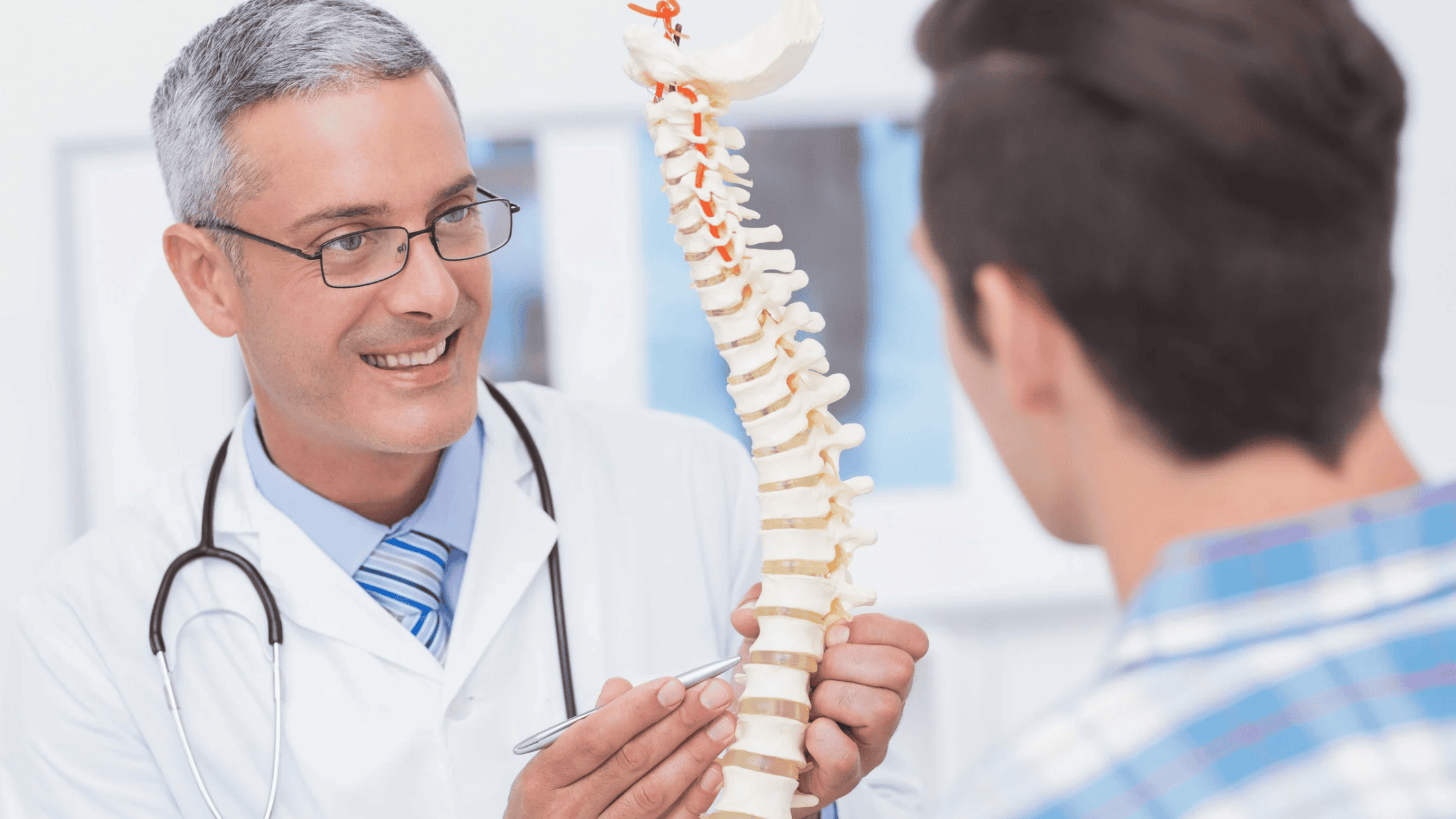
Kyphosis is a spinal condition characterized by an excessive forward curvature of the upper back. Although the spine naturally curves in several directions to support movement and balance, an exaggerated curve can cause a rounded or hunched posture, back pain, stiffness, and difficulty with everyday activities. Kyphosis can develop at different ages and may range from a mild postural change to a more pronounced spinal deformity.
Age-related changes, osteoporosis, vertebral compression fractures, and certain developmental conditions can contribute to kyphosis. Treatment depends on the severity of the curvature, its underlying cause, and whether symptoms interfere with daily life. Options may include physical therapy, pain management, treatment for weakened bones, bracing in selected cases, or surgery for severe spinal deformities.
Understanding the causes, symptoms, and treatment options for kyphosis can help patients recognize when an abnormal spinal curve warrants medical evaluation.
What Is Kyphosis?
Kyphosis is an excessive outward curvature of the thoracic spine, the portion of the spine located in the upper and middle back. When viewed from the side, a healthy spine has natural curves that help distribute weight, maintain balance, and absorb forces during movement. Kyphosis occurs when the forward curve of the upper back becomes more pronounced than normal.
A mild degree of curvature may not cause noticeable symptoms. However, more severe kyphosis can create a rounded upper-back appearance, shift the body’s center of gravity, and place additional stress on the muscles, ligaments, joints, and vertebrae.
Kyphosis is not a single condition with one cause. It can result from posture, structural changes in the vertebrae, osteoporosis, degenerative spinal conditions, or abnormalities that develop during childhood or adolescence. Identifying the specific type of kyphosis is essential for determining the most appropriate treatment.
What Causes Kyphosis?
Several factors can contribute to an abnormal spinal curvature. The cause often depends on the patient’s age, bone health, medical history, and the shape of the vertebrae.
Common causes include:
- Poor posture: Habitual slouching can contribute to postural kyphosis, particularly in adolescents and adults who spend long periods sitting or looking down at electronic devices.
- Age-related spinal changes: Degeneration of spinal discs, weakening of supporting structures, and changes in vertebral alignment can contribute to an increasingly rounded upper back.
- Osteoporosis: Reduced bone density weakens the vertebrae and increases the risk of compression fractures that can cause the spine to curve forward.
- Scheuermann’s disease: This structural condition typically develops during adolescence, when several vertebrae grow into a wedge shape, producing a more rigid curvature.
- Congenital abnormalities: Some individuals are born with vertebrae that formed abnormally, which can lead to kyphosis as the spine develops.
- Spinal injuries or other medical conditions: Trauma, certain neuromuscular disorders, infections, and tumors affecting the spine may also contribute to abnormal curvature.
In older adults, kyphosis may be associated with vertebral compression fractures, including fractures that develop during ordinary activities when bones have become fragile. In these cases, evaluating and treating the underlying bone weakness is an important part of managing the spinal condition.
What Are the Symptoms of Kyphosis?
Kyphosis symptoms vary according to the degree of curvature and the underlying cause. Some people notice only a rounded upper back, while others experience pain, stiffness, reduced mobility, or changes in physical function.
Common symptoms include:
- A visibly rounded or hunched upper back.
- Back pain or tenderness, particularly after prolonged standing or sitting.
- Stiffness and reduced spinal flexibility.
- Tightness or fatigue in the muscles of the back and shoulders.
- Difficulty maintaining an upright posture.
- Changes in balance or walking ability in more advanced cases.
Severe kyphosis can affect the space available for the chest and lungs, potentially contributing to breathing difficulties. Significant spinal deformity may also interfere with daily activities and increase the risk of falls.
New or rapidly worsening back pain, particularly in an older adult or someone with osteoporosis, should be evaluated promptly because it may indicate a vertebral compression fracture. New leg weakness, significant numbness, difficulty walking, or loss of bladder or bowel control requires urgent medical attention because these symptoms may indicate nerve or spinal cord involvement.
How Is Kyphosis Diagnosed?
Diagnosing kyphosis typically begins with a medical history and physical examination. A healthcare provider may assess the shape of the spine, shoulder position, flexibility, posture, and range of motion. The provider may also ask about pain, previous spinal injuries, osteoporosis, and changes in height or mobility.
Imaging tests can help determine the severity and cause of the curvature. These may include:
- X-rays: Show the alignment of the vertebrae and help measure the degree of spinal curvature.
- Magnetic resonance imaging (MRI): Provides detailed images of soft tissues, spinal discs, nerves, and the spinal cord. It may be recommended when neurological symptoms or other underlying conditions are suspected.
- Computed tomography (CT): Provides detailed images of bone structure and may help evaluate complex spinal abnormalities or fractures.
A bone density test may be recommended when osteoporosis or vertebral compression fractures are suspected. Additional testing may be necessary if the curvature developed rapidly or there are concerns about an underlying medical condition.
An accurate diagnosis helps distinguish flexible, posture-related kyphosis from structural deformities that involve changes in the vertebrae. This distinction is important because the most effective treatment depends on the type and severity of the condition.
What Are the Treatment Options for Kyphosis?
Kyphosis treatment depends on the degree of curvature, the underlying cause, the patient’s age, and the presence of pain or other symptoms. Many cases can be managed without surgery, particularly when the curvature is mild or primarily related to posture.
Can Physical Therapy Help Correct Kyphosis?
Physical therapy can help improve posture, flexibility, muscle strength, and physical function in many people with kyphosis. A therapist may recommend exercises that strengthen the back and core muscles, stretch tight muscles in the chest, and improve awareness of spinal alignment.
Postural exercises may be particularly helpful for flexible kyphosis associated with habitual slouching. However, exercises generally cannot fully correct a rigid structural curvature caused by vertebral deformities.
Patients should follow an individualized exercise program, especially if osteoporosis or compression fractures are present. Certain movements, including repeated or forceful forward bending under load, may increase fracture risk in people with fragile bones.
Can Medication Help Manage Kyphosis-Related Pain?
Medication may help manage pain associated with kyphosis, but treatment depends on what is causing the discomfort. A healthcare provider may recommend appropriate pain-relieving medication or other measures to reduce symptoms and support rehabilitation.
When osteoporosis contributes to the curvature, treatment may include medications that strengthen bones and reduce the risk of additional fractures. Addressing osteoporosis does not necessarily reverse an established spinal deformity, but it can help protect against further vertebral damage.
Patients with pain related to degenerative spinal conditions may also benefit from a broader pain management plan. Depending on the diagnosis, this may include physical therapy, activity modification, and selected interventional treatments.
When Is Bracing or Surgery Recommended for Kyphosis?
Bracing may be considered for certain adolescents with structural kyphosis, particularly while the spine is still growing. The goal is to limit progression of the curvature rather than simply improve appearance. Bracing is generally less effective at correcting a rigid deformity in adults.
Surgery is usually reserved for severe cases in which the curvature progresses, causes substantial persistent pain, produces significant functional limitations, or compromises neurological function or breathing. Spinal surgery may involve correcting alignment and stabilizing the spine with instrumentation and bone fusion.
Because surgery carries risks and requires recovery, a specialist evaluates the potential benefits against the patient’s overall health, symptoms, and degree of spinal deformity.
Can Kyphosis Be Prevented From Getting Worse?
Not every form of kyphosis can be prevented, particularly when it results from congenital abnormalities or structural changes in the vertebrae. However, certain measures may help preserve spinal function and reduce the risk of progression.
Maintaining good posture, staying physically active, strengthening the muscles that support the spine, and avoiding prolonged periods in a slouched position may help manage posture-related curvature. For people with osteoporosis, appropriate bone-strengthening treatment and fall prevention are important ways to reduce the risk of additional vertebral fractures.
Regular medical follow-up may be recommended when kyphosis is progressive or associated with an underlying spinal condition. Monitoring can help identify changes that warrant adjustments to treatment.
When Should You Seek Treatment for Kyphosis?
Medical evaluation is appropriate when the upper back becomes increasingly rounded, back pain persists, mobility declines, or posture changes noticeably. Older adults with osteoporosis or a history of compression fractures should be particularly attentive to new back pain or loss of height.
Kyphosis treatment is most effective when it addresses both the spinal curvature and its underlying cause. While posture-related kyphosis may respond to exercise and rehabilitation, structural deformities may require specialized monitoring and treatment. A spine specialist or qualified healthcare provider can help determine the cause of the curvature and recommend an appropriate plan to reduce symptoms, preserve mobility, and protect long-term spinal health.
This article is for educational purposes only and does not replace professional medical advice, diagnosis, or treatment.