
Thanks for joining us on March 4th from 7:00-8:15 PM CST to learn about Platelet-Rich Plasma (PRP) therapy. Dr. Carver Wilkins shared insights on how PRP can help you reclaim your joy in life through effective pain management.
WATCH THE WEBINAR: https://www.youtube.com/watch?v=ZIKUzdar8Ps
This webinar featured Carver Wilkins, an interventional pain specialist at Spine Team Texas, and orthobiologics expert Andy Shepard. The discussion focused on osteoarthritis (OA), its symptoms and diagnosis, and both traditional and emerging treatment options—particularly regenerative therapies such as platelet-rich plasma (PRP).
The presentation began with an overview of osteoarthritis, the most common form of arthritis. OA is a degenerative joint condition that occurs when cartilage—the cushioning tissue between bones—gradually wears down. As the joint space narrows, patients may experience symptoms such as pain, stiffness, swelling, tenderness, decreased flexibility, and grinding or popping sensations. While the knee is often affected, osteoarthritis can also occur in the hips, hands, shoulders, and spine.
Dr. Wilkins explained that diagnosing osteoarthritis typically involves evaluating a patient’s symptoms along with imaging studies such as X-rays or MRI scans. X-rays can reveal reduced joint space and bone spurs, while MRIs provide detailed images of soft tissues including cartilage, ligaments, and tendons. In some cases, additional tests—such as blood work or joint fluid analysis—may be used to rule out other forms of arthritis, including rheumatoid arthritis or gout.
The webinar also reviewed common treatment approaches. Initial management often includes conservative therapies such as over-the-counter medications like acetaminophen or anti-inflammatory drugs, physical therapy, and lifestyle modifications aimed at improving joint stability and function. In some cases, physicians may recommend injections such as corticosteroids or hyaluronic acid (gel injections) to temporarily reduce inflammation and improve lubrication within the joint. When symptoms become severe and other treatments fail, surgical options—including joint replacement—may be considered.
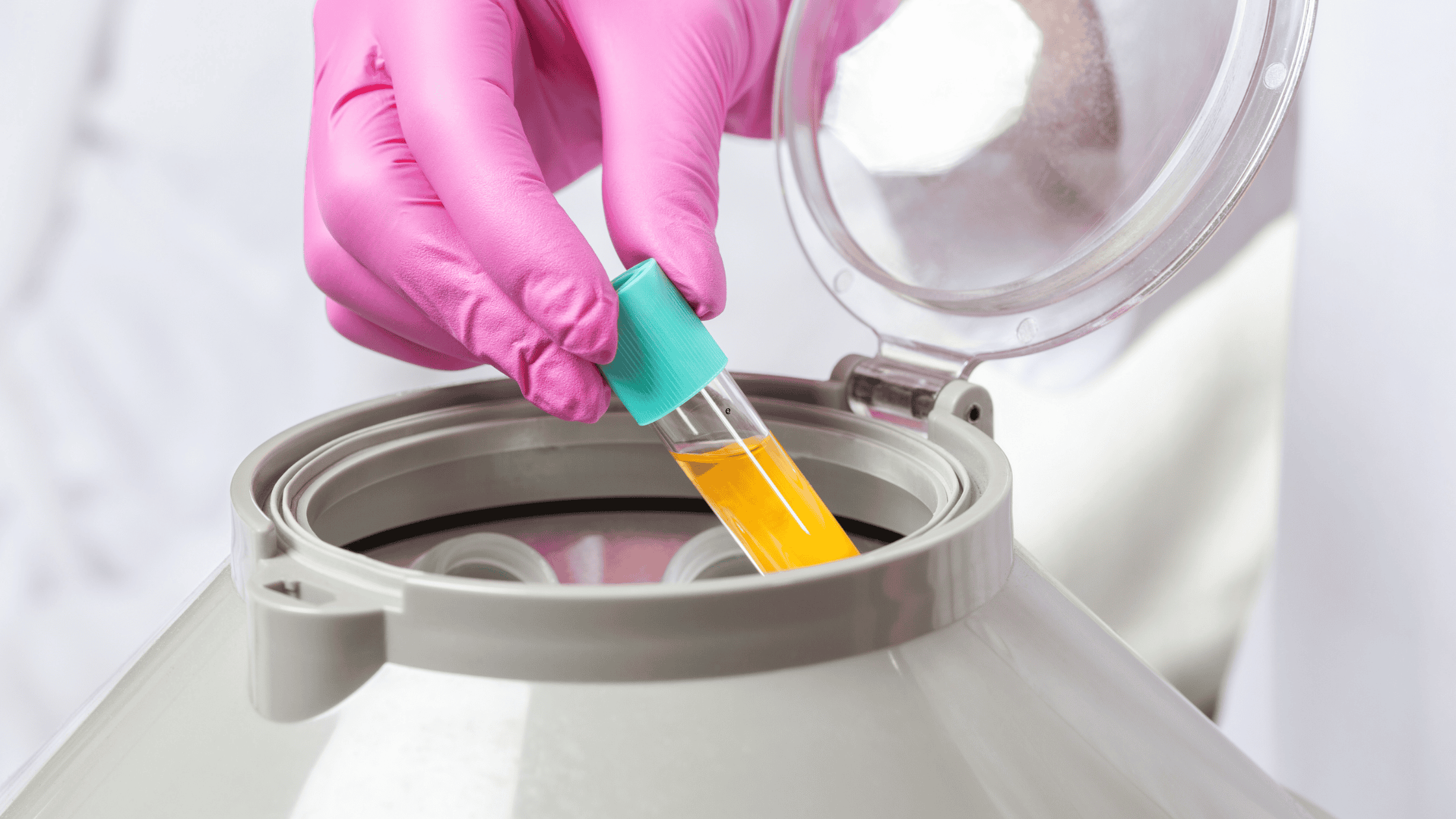
A major focus of the webinar was regenerative medicine, specifically platelet-rich plasma (PRP) therapy. PRP is created by drawing a small amount of the patient’s own blood and processing it to concentrate platelets. Platelets contain growth factors that play an important role in the body’s natural healing process. When injected into an injured or arthritic joint, PRP may help stimulate tissue repair, reduce inflammation, and improve joint function.
Dr. Wilkins emphasized that PRP does not reverse osteoarthritis or restore a joint to its original condition. Instead, the therapy aims to improve the joint environment by slowing degeneration and promoting a more regenerative state. Research studies discussed during the webinar showed that PRP injections may provide longer-lasting symptom relief compared to some traditional injection therapies, with improvements reported for up to a year or more in some patients.
The speakers also addressed practical considerations, including how PRP treatments are performed and what patients can expect afterward. The procedure typically involves drawing blood, processing it for approximately 15 minutes, and injecting the concentrated platelets into the affected joint using imaging guidance. Most patients experience mild soreness for a short period after the injection, while improvements often begin within a few weeks as the body’s healing processes take effect.
In closing, the presenters emphasized the importance of exploring conservative and regenerative treatment options before considering surgery whenever possible. For many individuals with mild to moderate osteoarthritis, therapies such as PRP may provide meaningful pain relief and improved mobility, potentially delaying or reducing the need for more invasive procedures.
The webinar concluded with a question-and-answer session where participants asked about treatment effectiveness, number of injections, recovery expectations, and cost considerations. Overall, the session highlighted the growing role of regenerative medicine in helping patients manage osteoarthritis and maintain an active lifestyle.