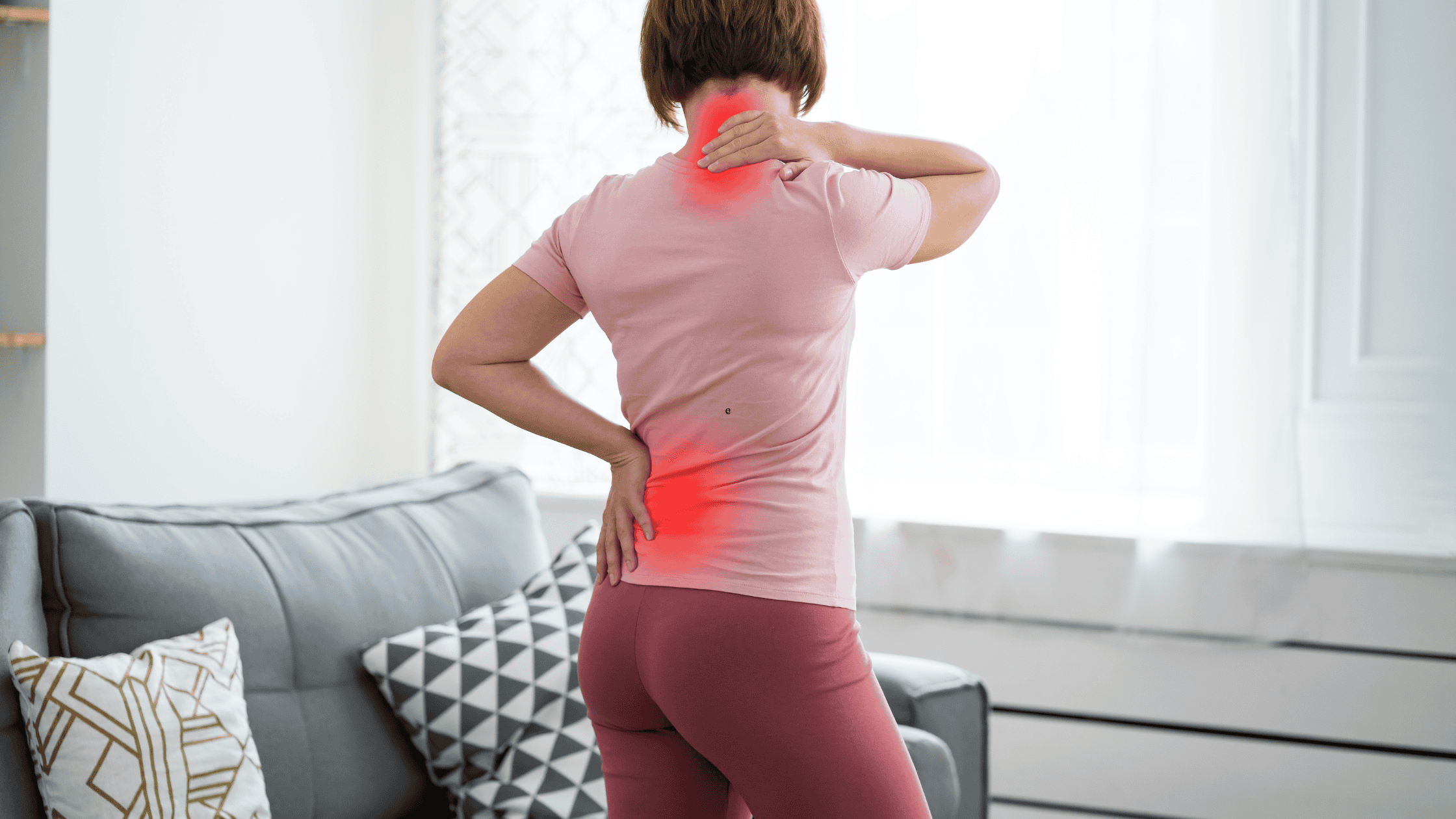
Spinal stenosis is a common condition that occurs when the spaces within the spine narrow, placing pressure on the spinal cord or nearby nerves. This compression can lead to chronic back pain, leg pain, numbness, tingling, or weakness—often worsening with standing or walking and improving with rest or bending forward.
While surgery may be appropriate for severe cases, many people successfully manage spinal stenosis symptoms with non-surgical treatments. Understanding these options can help patients maintain mobility, reduce pain, and improve quality of life without invasive intervention.
What Causes Spinal Stenosis?
Spinal stenosis most commonly develops as part of the natural aging process, but several factors can contribute, including:
- Degenerative disc disease
- Arthritis and bone spur formation
- Thickening of spinal ligaments
- Hernniated or bulging discs
- Previous spinal injuries or surgeries
Symptoms vary widely and may progress slowly over time.
Non-Surgical Treatment Options for Spinal Stenosis
A personalized, conservative treatment plan is often the first line of care. Non-surgical approaches focus on reducing inflammation, improving mobility, and minimizing nerve irritation.
Physical Therapy and Targeted Exercise
Guided physical therapy can help strengthen core and back muscles, improve posture, and increase flexibility. Flexion-based exercises, stretching, and low-impact activities often reduce pressure on spinal nerves and improve endurance for daily activities.
Activity Modification and Lifestyle Changes
Simple changes—such as avoiding prolonged standing, using supportive footwear, maintaining a healthy weight, and pacing physical activity—can significantly reduce symptom flare-ups. Ergonomic adjustments at home and work also play an important role.
Anti-Inflammatory Medications
Nonsteroidal anti-inflammatory drugs (NSAIDs) or other physician-recommended medications may help reduce pain and inflammation. These are typically used short-term and as part of a broader treatment plan.
Image-Guided Injections
Epidural steroid injections or selective nerve blocks can reduce inflammation around compressed nerves, providing temporary but meaningful pain relief. These treatments may allow patients to participate more effectively in physical therapy and daily activities.
Regenerative and Biologic Therapies
In select patients, regenerative approaches such as platelet-rich plasma (PRP) or other biologic treatments may support tissue health and reduce inflammation around affected spinal structures. These options are typically considered when conventional therapies have not provided adequate relief.
When Is Surgery Considered?
Surgery is usually reserved for cases involving progressive neurological deficits, loss of bowel or bladder control, or severe pain that does not respond to conservative treatment. For many patients, non-surgical care can effectively manage symptoms for years—or indefinitely.
A Multidisciplinary Approach to Long-Term Relief
Managing spinal stenosis often requires a combination of therapies rather than a single solution. A comprehensive approach that includes physical rehabilitation, interventional pain management, and lifestyle optimization offers the best chance for long-term relief and preserved function.
Take the Next Step Toward Relief
If spinal stenosis is limiting your daily activities, a personalized, non-surgical treatment plan may help you regain comfort and mobility. Working with a pain management specialist can clarify your options and guide you toward the most effective, least invasive care for your condition.